Krea 3 Generates 2K Images for $0.06: Speed, Cost, and Where It Fits in a Creative Workflow
Krea Oct 15: under 8s at 2K, $0.06. Creative Boom Oct 19 ran a different clock. FLUX.3 Klein wants 8GB. A price is not lighting.
TIME's 2026 inventions list puts Google SynthID on a public checker in October. CNET still ranks generators. A free ChatGPT account made 23 images. A watermark is not a meter.
Magnific One launched Oct 8 with art direction before the image. Final mode starts at 180 credits for 2K High. Unlimited 2K/4K in the desktop app runs through Oct 15. A prompt is not a kit.
Leap's Oct 6 table prices Google's Veo 3.1 at $3.52 for an 8-second clip. Wan 3.0 starts at $0.28. MixVio wants 26 routes in one login. The Pope called that a search engine.
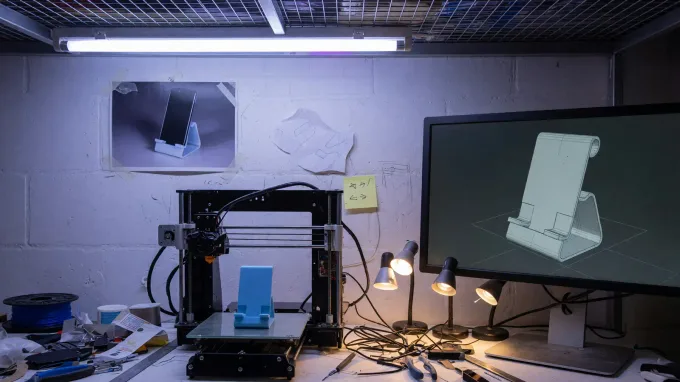
MIT’s InstructMesh edits TRELLIS meshes in language, then you print. Photoshop Beta 27.10 Relight adds up to three generative lights. Neither is a prompt gallery.
Pablo Díaz told LBB on September 28 he tests models on control, cost, and commercial terms. Magnific and Higgsfield are platforms. The bible is the product.
Level-5's Sep 17 statement will clean AI and human errors that look like AI. ADWEEK's Adathon gave $50k in Higgsfield credits to a spot that jokes nobody wants AI.
A September 11 roundup prices Nano Banana wrappers from $8.80. Lifehacker still gives ChatGPT Images 2.5 a slight edge. You are paying for a checkout, not a new look.
OpenAI's September 8 image model cuts latency up to 50% and claims multi-turn edits that stick. Nano Banana users already wrote that pipeline in code.
CyberLink's PhotoDirector AI PC Mode, shown at IFA 2026, runs diffusion edits on the machine. Here is what that changes before RTX Spark ships in October.
Alibaba opened Qwen-Image-3.0 to every Qwen user on August 5. It skips benchmarks, closes the weights, and chases readable text. Here is how that changes AI art workflows in 2026.
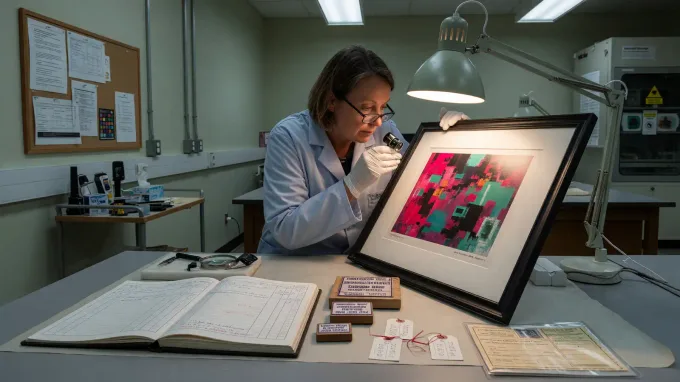
As AI-generated images flood galleries and marketplaces, authentication tools are emerging to track provenance. Here's what's working, what's not, and why it matters for every artist.
Google's Backstory tool uses Gemini-powered AI agents to detect fakes, trace image history, and generate verification reports in minutes instead of hours. Here's how it works and why it matters.
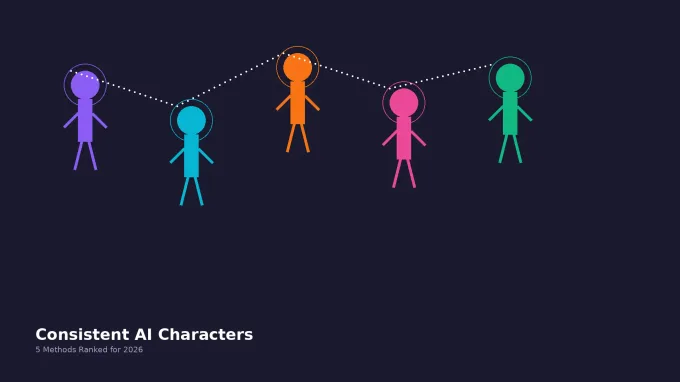
Character consistency in AI art has gone from impossible to routine. Here are the five methods that actually work in 2026, ranked by reliability and ease of use.
The Square Enix controversy proved that 'trust me' doesn't work anymore. Here's why documenting your workflow protects your reputation and showcases your craft.
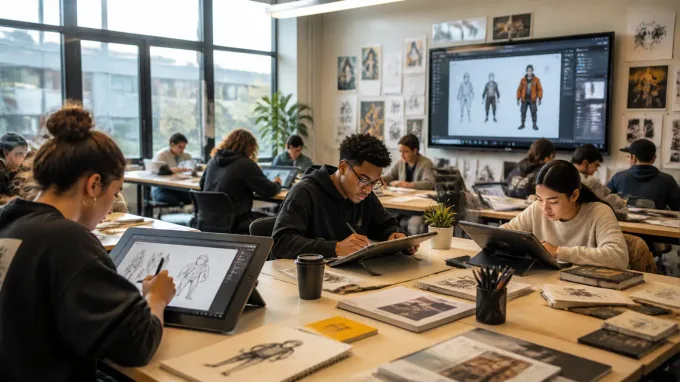
As AI image generators become standard tools, art programs are overhauling how they teach, assess, and think about creative authorship.
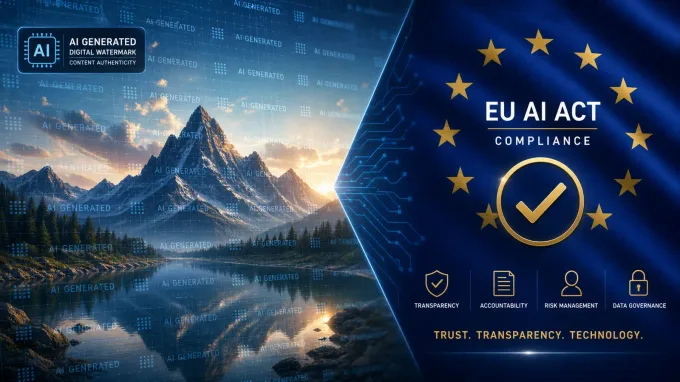
Starting August 2, the EU requires all AI-generated content designed to look real to carry visible labels and digital watermarks. Google's SynthID can help — but the technical and practical gaps are bigger than regulators admit.
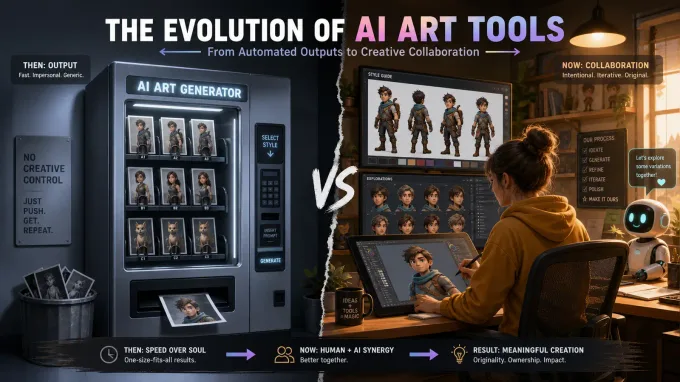
The next wave of AI creative tools ditches the one-prompt-one-image workflow for something closer to how artists actually work: iterative, conversational, and style-consistent across entire projects.
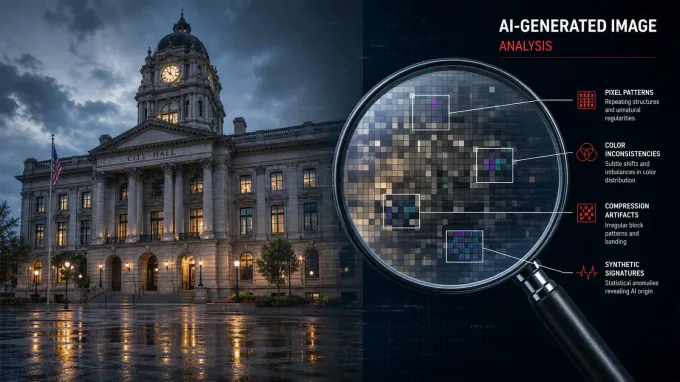
Spokane officials were duped by AI-generated images twice in one week. SIGGRAPH is pushing AI as a 'creative partner.' These two stories are not contradictory — they reveal the real state of AI image tools in mid-2026, where creation has outraced verification by a wide margin.
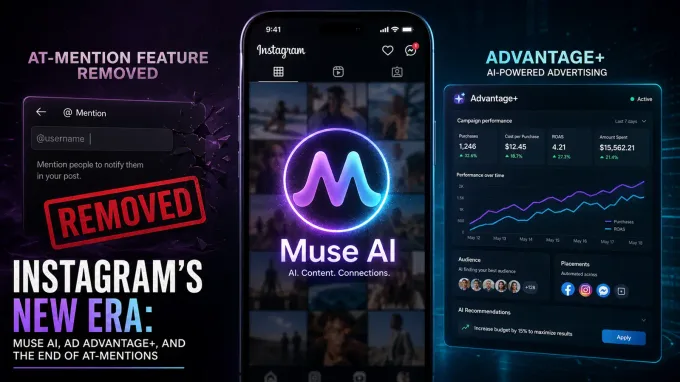
Meta pulled the @-mention feature from Muse Image after SAG-AFTRA and CAA called it out. But the AI ad engine underneath it — the part that automates creative generation for millions of advertisers — is untouched and heading to Advantage+.
The AI image generation landscape has consolidated around a handful of tools that each dominate a specific niche. From GPT Image 2's record-breaking benchmark scores to Adobe Firefly's commercial-safe promise, here's what creators actually need to know about the 2026 AI image toolkit.
In a legal reversal nobody saw coming, the AI image generator is demanding Disney, Universal, and Warner Bros. disclose how they use AI — turning a copyright lawsuit into a transparency standoff.
Gemini's personalized Nano Banana-powered image generation is now free for all US users. The move signals a broader shift in how AI art tools compete, and it has real implications for independent creators.
Beyond the hype and the controversy, a practical look at which AI art tools are genuinely useful for working artists — and which ones are just expensive toys.
Disney Imagineering is now using custom Adobe Firefly AI models trained on Disney's own IP to design theme park attractions. The deal points to a broader shift in how major studios think about generative AI in creative workflows.
Apple completely overhauled Image Playground at WWDC 2026, bringing photorealistic image generation to your iPhone. Here is what changed, why it matters, and how it compares to the rest of the AI image generation landscape.
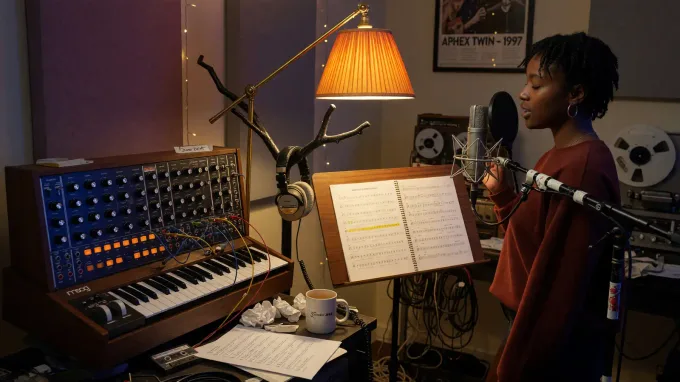
The most interesting art being made with AI isn't AI art — it's art where humans and machines work together in ways neither could achieve alone. From music to visual art to literature, here's how creative collaboration with AI is producing genuinely new forms of expression.
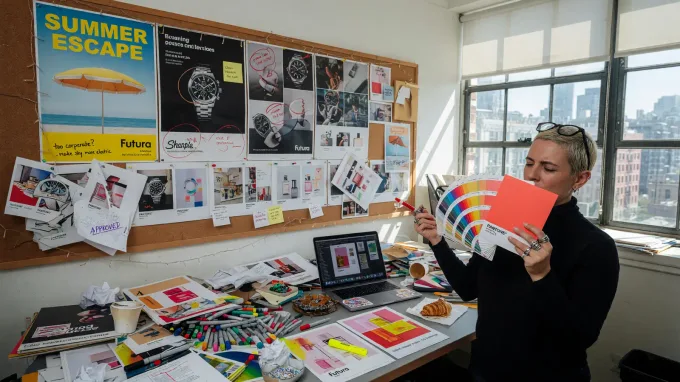
From AI-generated ad copy to personalized creative at scale, artificial intelligence is transforming how brands create and deliver advertising. But as the line between human and machine creativity blurs, agencies and brands are grappling with what it means for the industry.
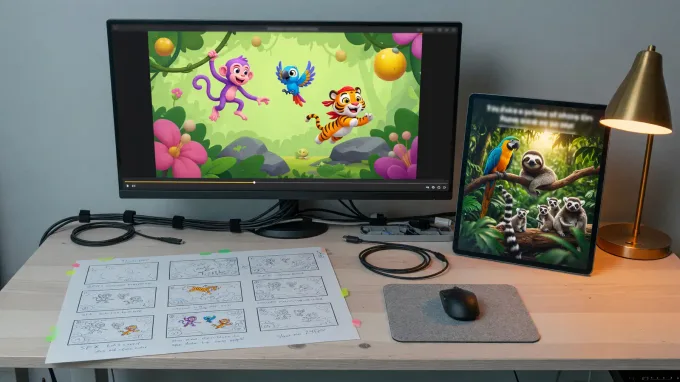
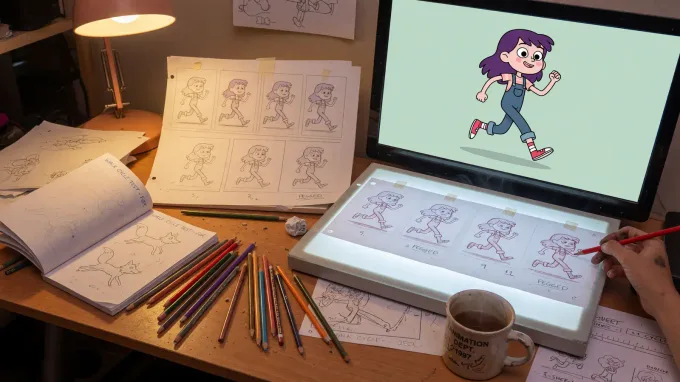
Animation has always been labor-intensive — seconds of screen time requiring weeks of work. AI is changing that, with tools that generate motion, interpolate frames, and automate rigging. Here's how studios and indie creators are using AI to animate faster and dream bigger.
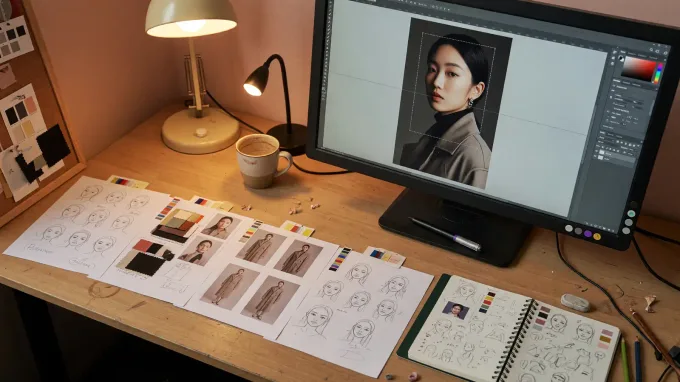
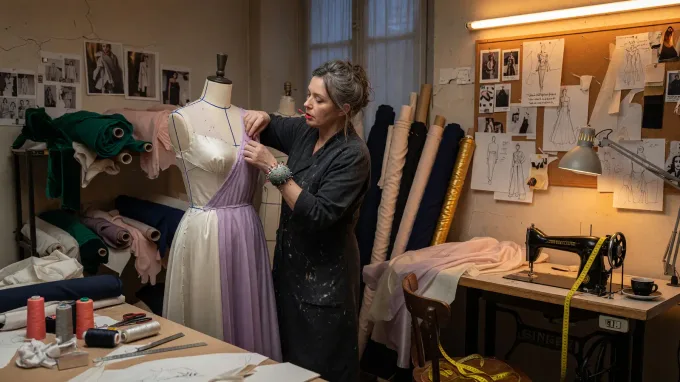
From AI-generated textile patterns to virtual try-ons and trend forecasting, artificial intelligence is reshaping every stage of fashion design, production, and retail. Here's how the industry is adapting to algorithmic creativity.
Generating 3D models from text descriptions has moved from research lab to production pipeline. From e-commerce product visualization to game asset generation, text-to-3D is quietly becoming the most impactful AI content creation technology.
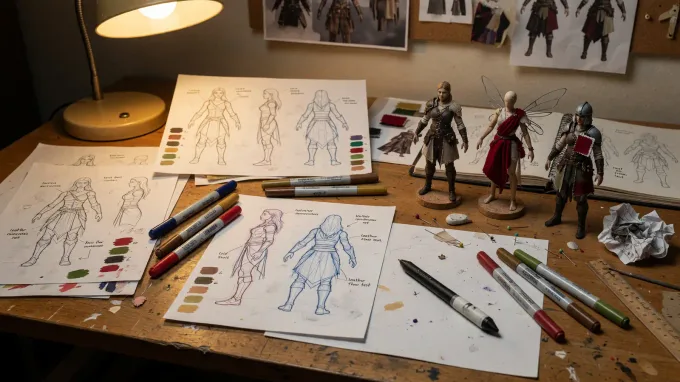
From concept art to rigged 3D models, AI is reshaping how characters are designed for games, animation, and virtual production. Here's how studios are using tools like Scenario, Leonardo, and CSM to create characters faster and more iteratively.
From the first major AI art auction at Christie's to dedicated AI art museums in Tokyo and Berlin, the art world is grappling with machine-generated creativity. Here's how galleries, curators, and collectors are navigating this new medium.
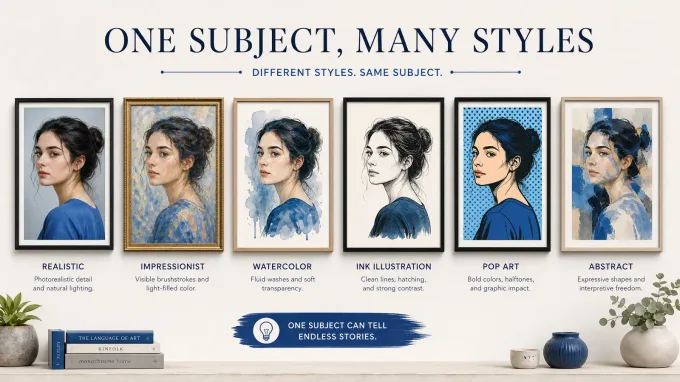
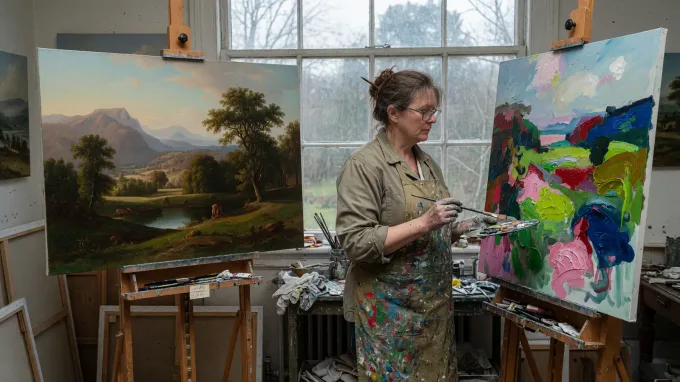
Neural style transfer has evolved from Instagram filters into sophisticated creative tools. From Claude Monet to Studio Ghibli, AI can now apply artistic styles with unprecedented fidelity. But what does this mean for art, creativity, and copyright?
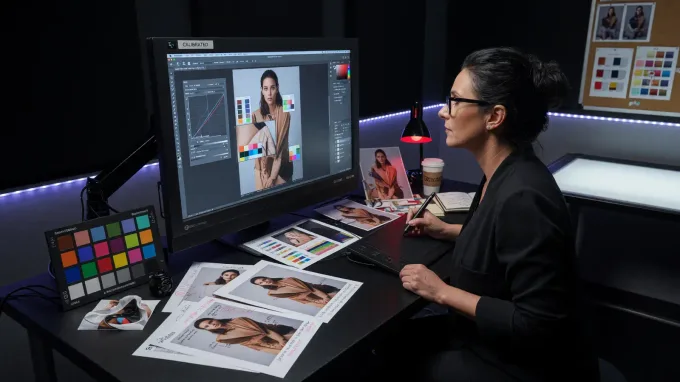
AI-powered photo editing has moved far beyond filters and auto-enhance. From generative fill that understands context to neural upscaling that creates detail from nothing, here's how AI is transforming photography and design.
Text-to-3D and image-to-3D AI tools have matured from research curiosities into production-ready pipelines. From Luma AI to Meshy to NVIDIA's GET3D, here's how AI-generated 3D content is transforming creative industries.
AI music tools can now generate radio-quality songs from text prompts in seconds. From Suno's viral hits to Udio's studio-grade output, here's how AI is transforming music creation — and why not everyone is celebrating.
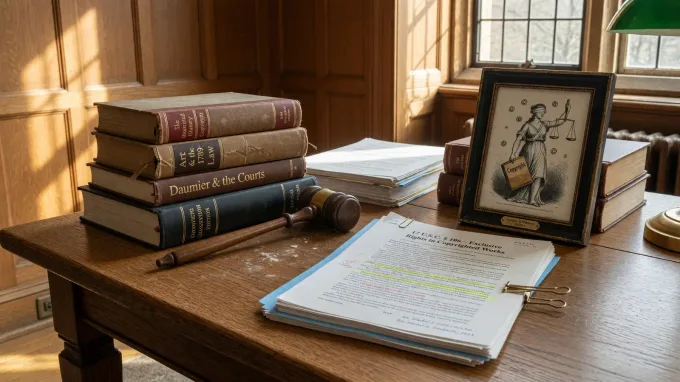
The legal landscape for AI-generated art has evolved rapidly. From the US Copyright Office's latest guidance to the EU AI Act's creative provisions, here's what artists, studios, and platforms need to know.
A comprehensive look at the leading AI video generation platforms — OpenAI's Sora, Kuaishou's Kling, Runway Gen-4, and Pika — comparing output quality, creative control, and what they mean for the future of video production.
Unlock the full potential of Midjourney V7 with our comprehensive guide. Learn Character Reference (--cref), Draft Mode, and advanced parameters to create stunning AI art with unprecedented control.
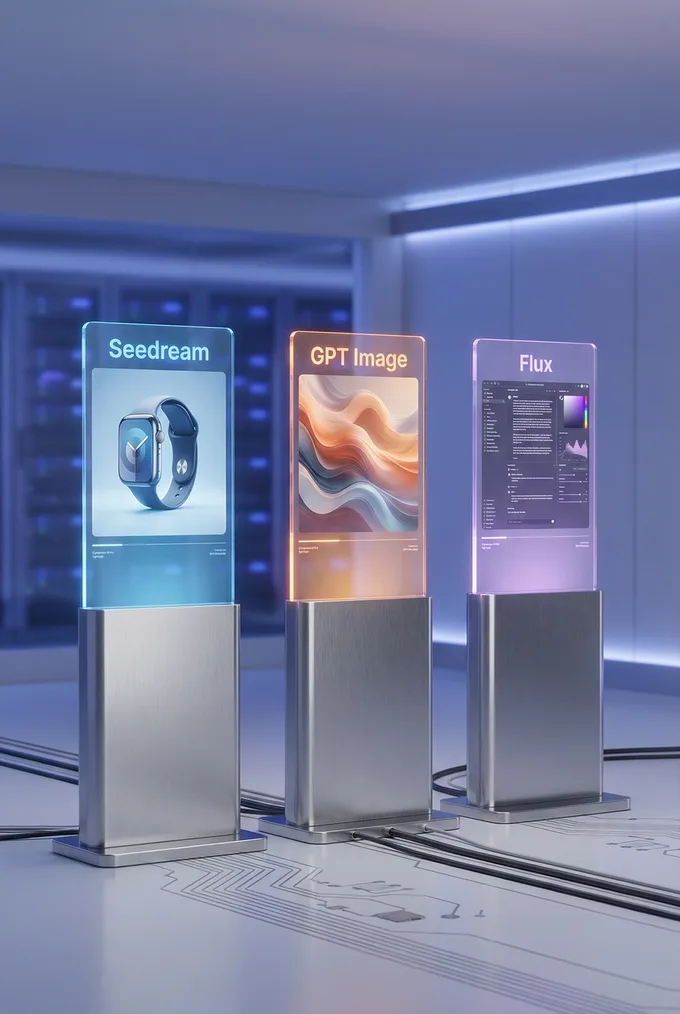
Three AI image models are fighting for the top spot in 2026. We compare Seedream 5.0, GPT Image 1.5, and Flux 2 Max on quality, text rendering, speed, pricing, and real-world use cases.
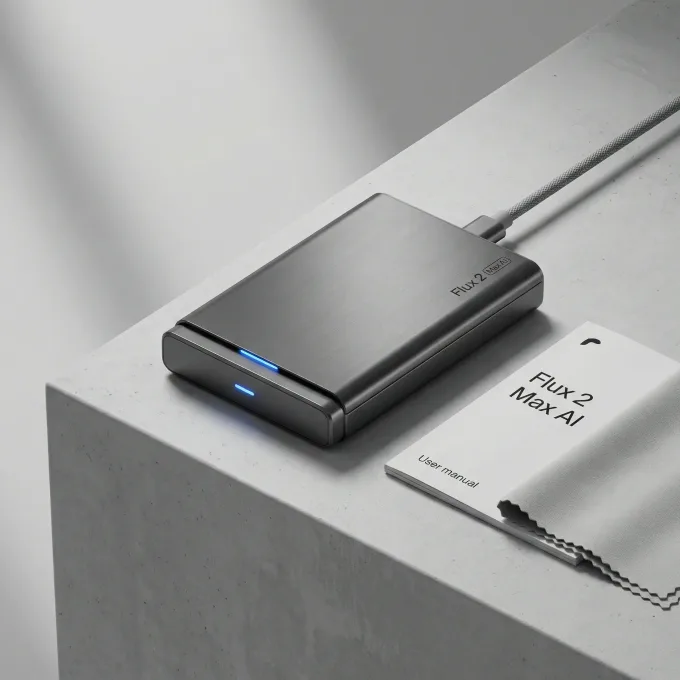
Master Flux 2 Max workflows for creating photorealistic images. Learn advanced techniques, optimal settings, and practical workflows that actually work for professional projects.
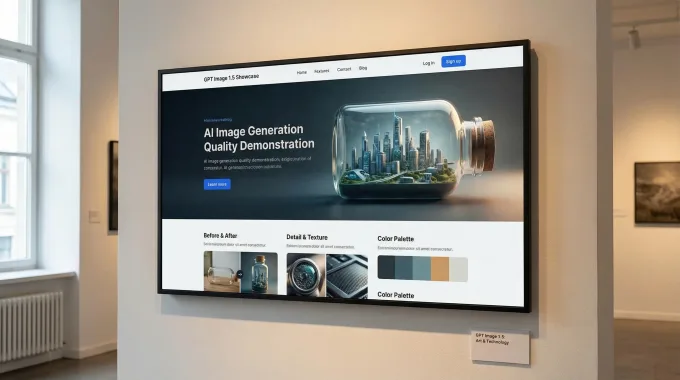
OpenAI's GPT Image 1.5 is 4x faster, better at following instructions, and can render readable text. Complete guide covering features, use cases, and when to use alternatives.
A source-based comparison of Midjourney v7 and OpenAI's GPT Image model in ChatGPT: strengths, limitations, pricing, and which fits your creative work. Note: there is no official product called ChatGPT Images.
Master Stable Diffusion 3.0 with this comprehensive workflow guide. Learn installation, prompting techniques, optimal settings, and advanced tips for creating stunning AI-generated images.
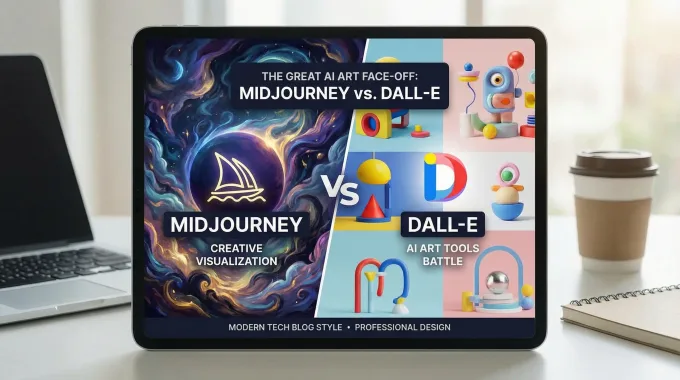
A comprehensive comparison of Midjourney V6 and DALL-E 3. Explore features, output quality, pricing, and find the perfect AI image generator for your needs.
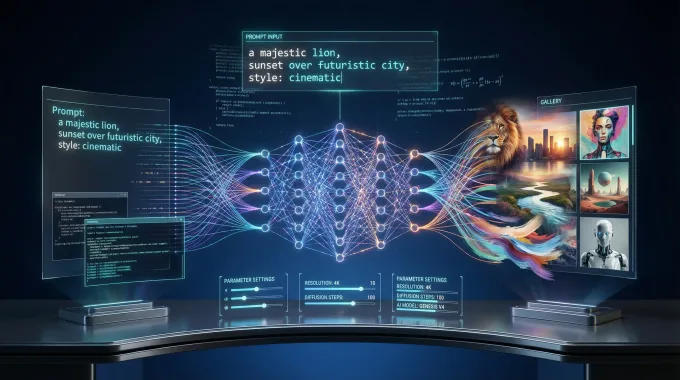
Master the art of prompt engineering for Stable Diffusion XL. Learn advanced techniques, common patterns, and expert strategies for creating stunning AI-generated images.