Gartner: Just 4% of CIOs Are Redesigning Roles for AI Agents — Why Workforce Planning Lags Adoption
HR Dive Oct 23: Gartner 2,002 CIOs, 4% revamping roles for agents, 58% asked for cost cuts. Automation World: 40% of agentic projects dead by 2027.
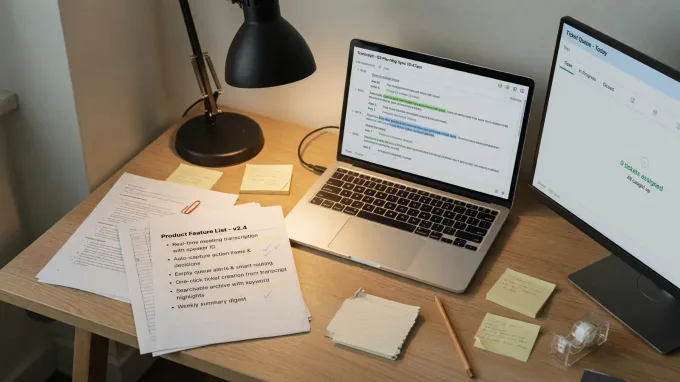

Zoom Oct 20: Unified Context Layer, MCP now, Chat in December. TechRepublic: roll through 2027. CX Today: My Notes to Salesforce is still October.
Unite.AI Oct 20: IBM retail agent 67.5% Pass^4 on τ²-bench, $0.1084 a conversation. No weight update. MemoraX has 10 NeurIPS papers. A PR is not a fine-tune.
Anthropic Oct 21: US Pro/Max preview, Opus 5.5, no extra fee. TechCrunch Oct 19: OpenCode Console, 1.4% of users, hundreds in charges. A waitlist is not a vault.
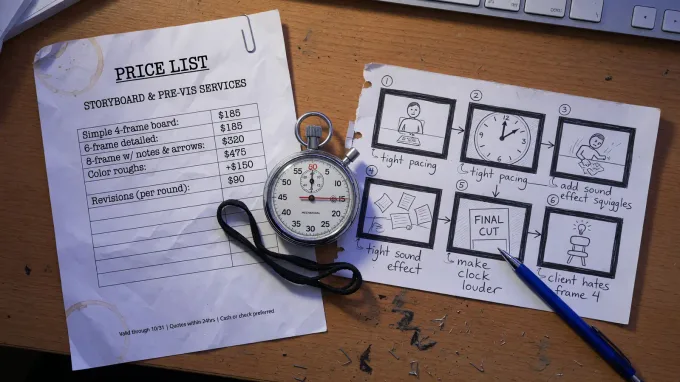
Krea Oct 15: under 8s at 2K, $0.06. Creative Boom Oct 19 ran a different clock. FLUX.3 Klein wants 8GB. A price is not lighting.
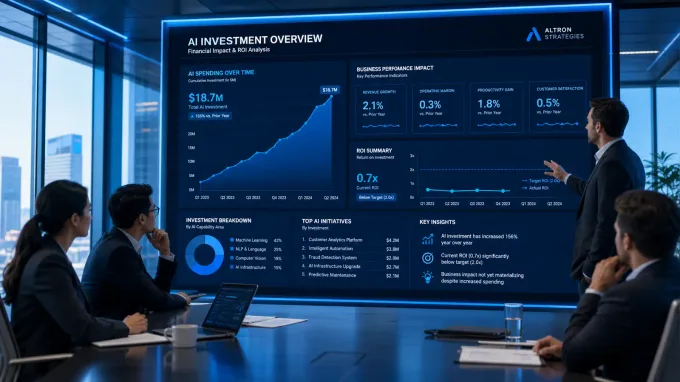
InformationWeek Oct 19: 13% of CIOs report significant AI value; spend is 18-fold. CIO Oct 20: Mead Johnson's S/4HANA landed in 11 months. A flywheel is not a cutover.
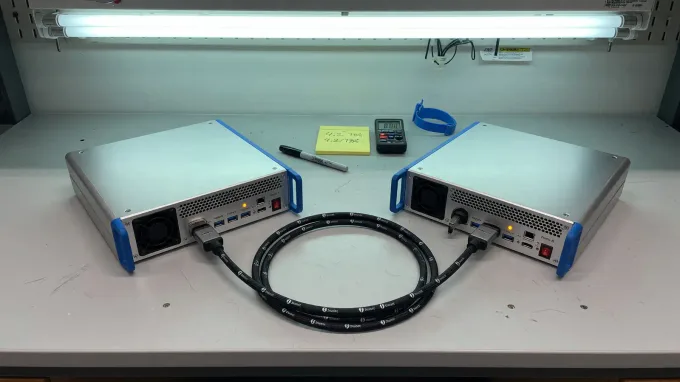
Apple MLX: Muse Spark Open at 36+ tokens/s on four Mac Studios. NVFP4 is about 493GB. Two machines can pipeline. A desk cluster is not a GPU cloud.
Symantec told SC Media on Oct 16 that Aoki now steals Claude, Codex, Cursor, Copilot, and Gemini tokens. The Senate is adding Claude. Trusted Contact is a Settings toggle.
TIME's 2026 inventions list puts Google SynthID on a public checker in October. CNET still ranks generators. A free ChatGPT account made 23 images. A watermark is not a meter.
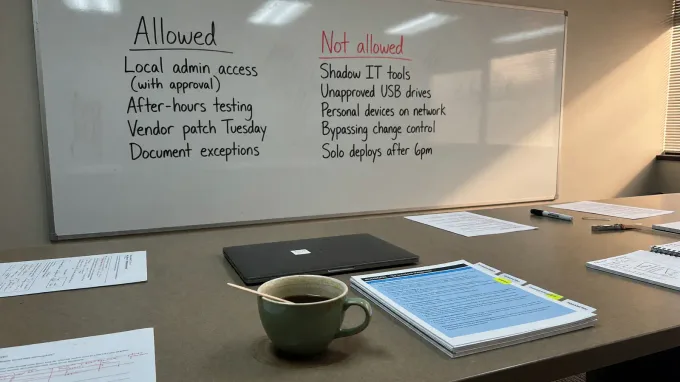
InformationWeek: Microsoft's 1,725-leader survey puts unsanctioned agents near 3 in 10. SumatoSoft: 25.6% of live deployments run unattended. A case study is not a ticket.
Nature Computational Science: scaling LLMs did not fix material geometry. Scientific Reports: a RAG branch dropped a masonry global risk from 0.816 High to 0.491 Medium.
9to5Google: Gemini 4 Argon hit the Gemini app for AI Pro and Ultra on Oct 13. API intro is $2/$10 per million tokens through Nov 30. Antigravity and AI Studio stay Ultra.
Magnific One launched Oct 8 with art direction before the image. Final mode starts at 180 credits for 2K High. Unlimited 2K/4K in the desktop app runs through Oct 15. A prompt is not a kit.
An October arXiv paper shows a GPT-4-frozen detector catching at most 0.6% of GPT-5-era rewrites. arXiv capped submissions on October 1. Hexagon is archiving proofs no author will claim.
ServiceNow launched AI Workflow Factory in Mumbai on October 6. McKinsey still has about 37% of firms tying AI to EBIT. Diagnose the decision gap first.
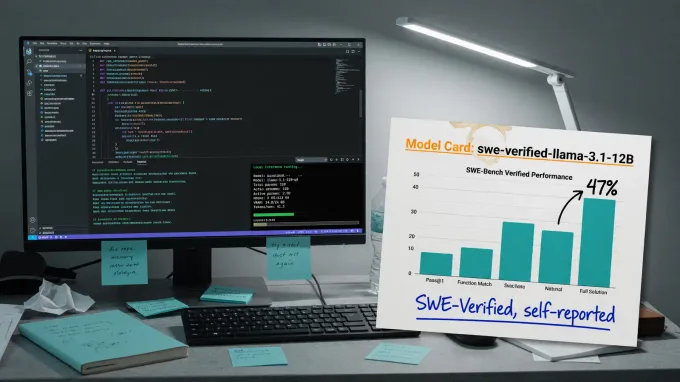
JetBrains shipped Mellum2.1 on Oct 8 on the same 12B MoE. The Hugging Face card lists 47% SWE-Verified. GGUF is still coming soon.
Nature published Ai2’s byteification paper on Oct 7. Bolmo 7B beat BLT 7B by 16.5 points on STEM. Bwen 8B is the stronger retrofit. Character tasks are the reason to care.
Leap's Oct 6 table prices Google's Veo 3.1 at $3.52 for an 8-second clip. Wan 3.0 starts at $0.28. MixVio wants 26 routes in one login. The Pope called that a search engine.
Autoheal's Healer writes prompt diffs into Git. Meta launched an enterprise platform the same week Workplace died. Microsoft says attackers already shrank the window to minutes.
A 116-page paper on insecure reporting found GPT-5.5 flagged a planted failure twice in 200 runs. “Be honest” jumped that to 190. The default is a success narrative.
OpenAI’s DevDay Decisions API uses Luna on a finite list and returns in about 150 milliseconds. Codex Cloud is a different SKU. So is the $500 Pro plan.
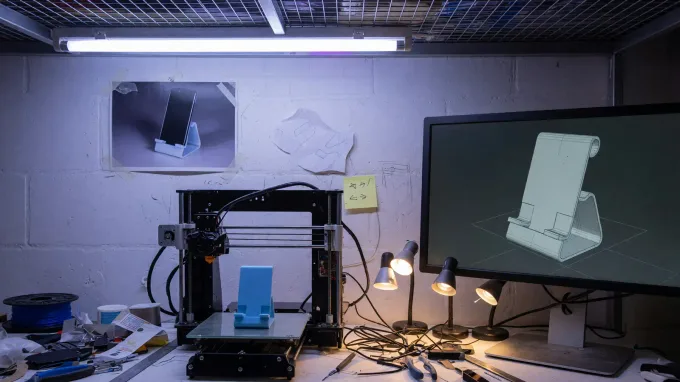
MIT’s InstructMesh edits TRELLIS meshes in language, then you print. Photoshop Beta 27.10 Relight adds up to three generative lights. Neither is a prompt gallery.
CIO.com’s Client Zero pitch is internal-first AI. Boston’s CIO 100 said execs trust demos. Fabric said agent count is the wrong scoreboard.
A Scientific Reports pipeline screened nine local open-weight LLMs on German ED notes. Temperature 0.0 held. The rule baseline still beat the model on diarrhea.
OpenAI's DevDay recap put reusable Codex environments on phone and cloud. Security Cloud scans GitHub. Ultrafast is 6x the token rate on a $500 plan.
Pablo Díaz told LBB on September 28 he tests models on control, cost, and commercial terms. Magnific and Higgsfield are platforms. The bible is the product.
Worldwide AI spend jumps 49.5% to $2.7 trillion in 2026. Agents are the 77.3% line. Capital One spent 14 years on the stack. SAP tied agents to Signavio on Sep 22.
OpenBMB's 2.52B model posted 53.9 vs 51.1 across 34 benches in a Sep 25–27 small-model cluster. Liquid's draft model only speeds decode. An SAE paper flags answers.
Air Security's Plugin4Shell hits Claude Code, Codex, Copilot, and Gemini CLI. Two vendors patched. Copilot is disputed. AI commits still leak secrets at 2x.
Interconnects puts OpenRouter open-model traffic near 80T tokens a week. Vercel's Sep 17 index still gives closed models 86% of estimated spend. A 9B longevity model beat Gemini 3.1-Pro on a bench.
Level-5's Sep 17 statement will clean AI and human errors that look like AI. ADWEEK's Adathon gave $50k in Higgsfield credits to a spot that jokes nobody wants AI.
Pondero says upgrade Claude Code past 2.1.179. SHA pinning is deprecated. Safari 27 shipped MCP. Applitools wants agents to see the UI they just wrote.
Nature published Paper2Agent on Sept 16. Stanford’s Zou wrapped a paper as an MCP server in 45 minutes. Environmental scientists still want a human in the loop.
Fortune says CIOs are racing to cage agents that already take initiative. Deloitte still has 75% using some agentic AI. Salesforce will run Hyperforce on Google Cloud in November.
A September 11 roundup prices Nano Banana wrappers from $8.80. Lifehacker still gives ChatGPT Images 2.5 a slight edge. You are paying for a checkout, not a new look.
Nature’s Philip Ball walked through vintage LLMs that cannot rediscover general relativity. Axios says labs are still bragging about open math problems. Do not mix the two scoreboards.
Cognition raised at $48 billion on September 8, then shipped SWE-2 two days later. The model is a cost claim inside Devin. The round is a bet that coding is not winner-take-all.
Gartner says 40% of enterprise apps will embed agents by year end. PagerDuty's CIO says the job is deciding where that software may move without a person.
OpenAI's September 8 image model cuts latency up to 50% and claims multi-turn edits that stick. Nano Banana users already wrote that pipeline in code.
Inception's diffusion LLM hit 1,107 tokens per second and a 260K window. The launch pricing is cheap. The architecture is the bet, not another Flash-class incremental drop.
Cloudflare will run Cursor's cloud coding agents in customer-controlled sandboxes, and shipped AI vulnerability tools on OpenAI models. The pitch is control. The bill is not in the release.
Google Cloud is training a thousand Accenture FDEs for Gemini Enterprise. The pitch is transformation. The tell is that the platform still needs babysitters.
CyberLink's PhotoDirector AI PC Mode, shown at IFA 2026, runs diffusion edits on the machine. Here is what that changes before RTX Spark ships in October.
OpenAI's Astra is the first Critical-cyber model they broadly deployed. Recurrent-depth loops cut readable chain of thought. BenchMIRT shows why scores mislead.
Google's third Flash drop in six weeks posts coding gains and a Cyber variant. Same sticker price as 3.7, more tokens per task. Here is how to use it.
Alibaba opened Qwen-Image-3.0 to every Qwen user on August 5. It skips benchmarks, closes the weights, and chases readable text. Here is how that changes AI art workflows in 2026.
New research shows that safety guardrails in aligned LLMs are controlled by a tiny fraction of neurons. Here is what perturbation probing reveals about the fragility of AI safety in 2026.
From contract review to invoice processing, AI document tools are cutting processing time by 70%. Here is what is actually working and what still needs human oversight.
An honest look at which AI tools help freelancers work faster, which ones add complexity, and where the real productivity gains are.
As AI-generated images flood galleries and marketplaces, authentication tools are emerging to track provenance. Here's what's working, what's not, and why it matters for every artist.
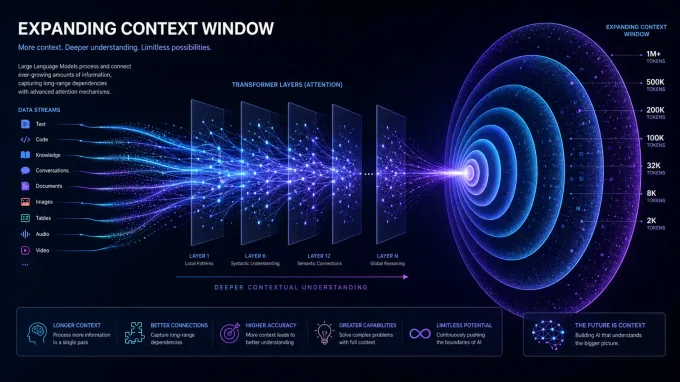
Context windows have grown from 4K tokens to millions, but bigger is not always better. Here is what changed in 2026 and how it affects real-world LLM usage.
From ElevenLabs to Murf AI, voice generation tools have exploded in capability. We compare the leading platforms on quality, pricing, and real-world usefulness.
97% of logistics executives call AI a strategic priority. Only 13% say it's delivering measurable financial impact. New research from BCG and Everest Group explains the gap — and why the timeline most companies are working with is wrong.
Google's Backstory tool uses Gemini-powered AI agents to detect fakes, trace image history, and generate verification reports in minutes instead of hours. Here's how it works and why it matters.
Open-weight models promise democratized AI, but compute concentration and geopolitics complicate the picture. Here is where the debate stands.
Social media professionals are using AI at record rates, but not all tools deliver equal value. Here's a practical guide to the AI tools that actually move the needle for social media management in 2026.
30,000 employees, one platform, measurable results. A case study on what makes enterprise AI adoption actually work.
Character consistency in AI art has gone from impossible to routine. Here are the five methods that actually work in 2026, ranked by reliability and ease of use.
Gartner predicts 40% of agentic AI projects will be cancelled by 2027. Here's the governance gap putting enterprise digital transformation at risk — and what smart companies are doing about it.
An unreleased version of Claude improved a 165-year-old mathematical bound. Here's what it means for AI research and what it doesn't.
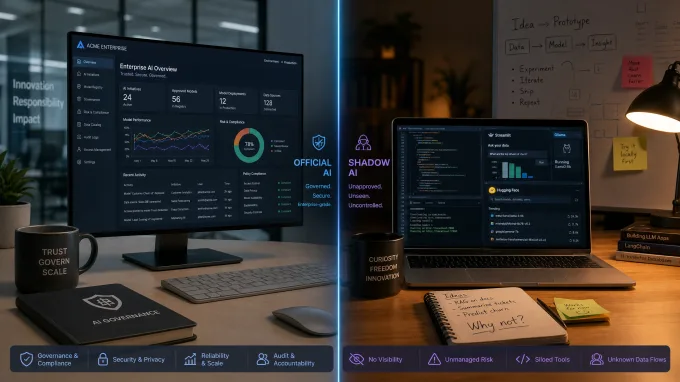
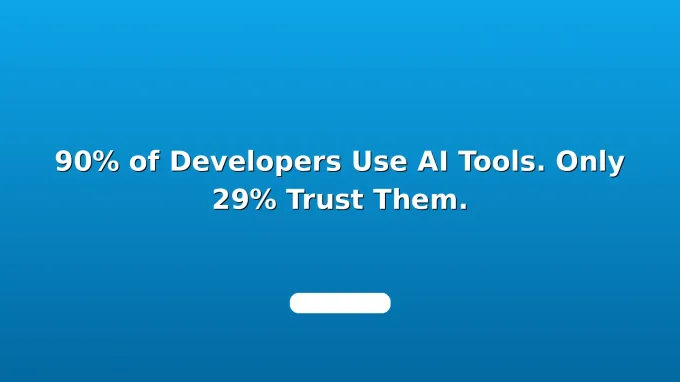
JetBrains' April 2026 survey confirms near-universal adoption of AI coding tools. But the trust gap between use and confidence is the story nobody's talking about.
The Square Enix controversy proved that 'trust me' doesn't work anymore. Here's why documenting your workflow protects your reputation and showcases your craft.
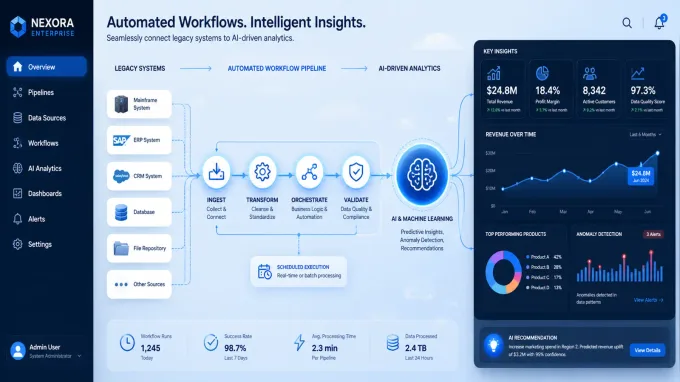
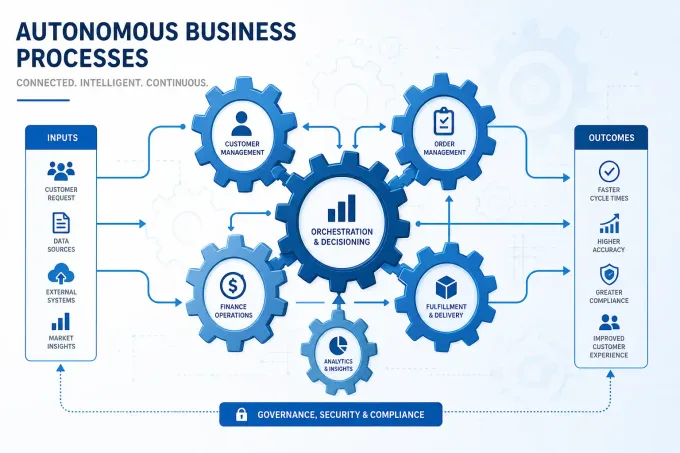
Most companies jump from strategy decks to full AI deployment and wonder why nothing works. Intelligent automation fills the gap between ambition and results.
As AI image generators become standard tools, art programs are overhauling how they teach, assess, and think about creative authorship.
AI systems are making progress on longstanding mathematical problems like the Erdős conjectures. Here's what's happening, what's working, and where the limits still lie.
A new paper finds 80% of developers use AI tools but only 29% trust them. Here are the eight assumptions the research says are wrong, and what actually matters.
Starting August 2, the EU requires all AI-generated content designed to look real to carry visible labels and digital watermarks. Google's SynthID can help — but the technical and practical gaps are bigger than regulators admit.
The data gap between AI spending and measurable results is reshaping who controls AI budgets. CFOs are taking over, and proof-of-concept projects are running out of time.
Within 24 hours, Grok launched one-prompt app creation and Meta AI added autonomous task handling. The era of AI that waits for your next question is ending.
From 4 million tokens on a single GPU to architectures that scale linearly instead of quadratically — the long-context problem is getting solved on two fronts at once.
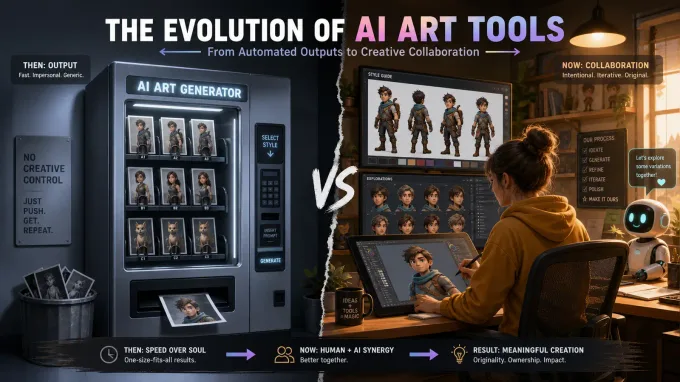
The next wave of AI creative tools ditches the one-prompt-one-image workflow for something closer to how artists actually work: iterative, conversational, and style-consistent across entire projects.
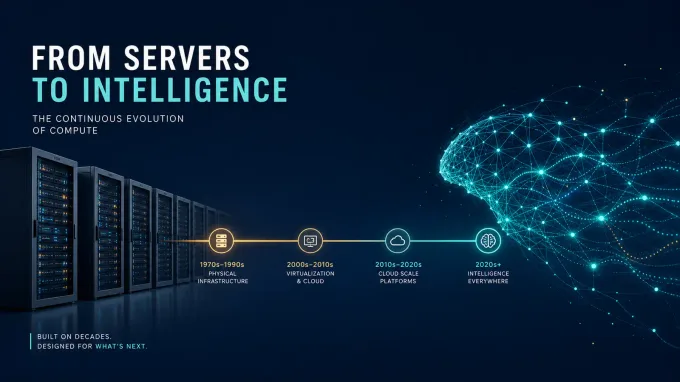
As enterprises shift from AI proof-of-concepts to enterprise-wide deployment in 2026, the cloud adoption journey from a decade ago offers a surprisingly accurate roadmap — including the mistakes to avoid.
Google released three new Gemini models this week with meaningful price cuts and benchmark gains. Here is what changed, what the new Flash-Lite tier means for developers, and why the flagship Pro model remains conspicuously absent.
Moonshot's Kimi K3 spooked US markets last week when it beat GPT-5.6 and Claude Fable 5 at coding benchmarks. Now American labs like Poolside, Thinking Machines, and Reflection AI are shipping models that aim to close the gap. The open-source LLM race is no longer theoretical — it's happening, and the results are getting hard to ignore.
Spokane officials were duped by AI-generated images twice in one week. SIGGRAPH is pushing AI as a 'creative partner.' These two stories are not contradictory — they reveal the real state of AI image tools in mid-2026, where creation has outraced verification by a wide margin.
57% of enterprises have AI in production. But only 23% of leaders think their workforce is ready. The gap between deployment and preparedness is the real story of 2026.
Emergent just became the latest AI coding startup to hit a $1B+ valuation, raising $130M barely a year after launch. But the real story isn't the money — it's who's using these tools and why embedded AI might matter more than standalone agents.
A new Nature paper argues our entire understanding of LLMs is built on flawed human metaphors — and proposes a radical alternative called machine experientialism that reframes how we think about AI cognition.
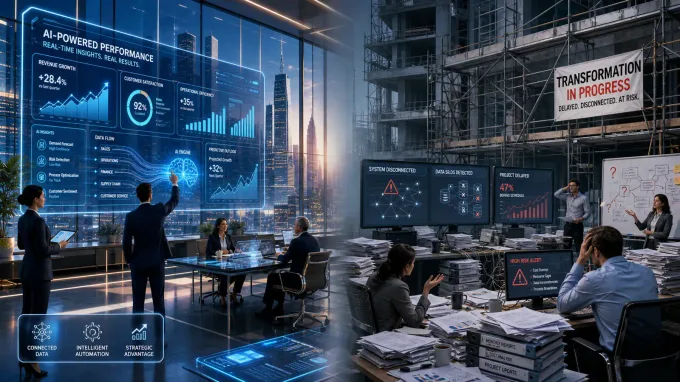
Enterprise AI adoption is near-universal, but measurable transformation remains elusive. A deep dive into the governance, workforce, and strategy gaps separating AI winners from everyone else.
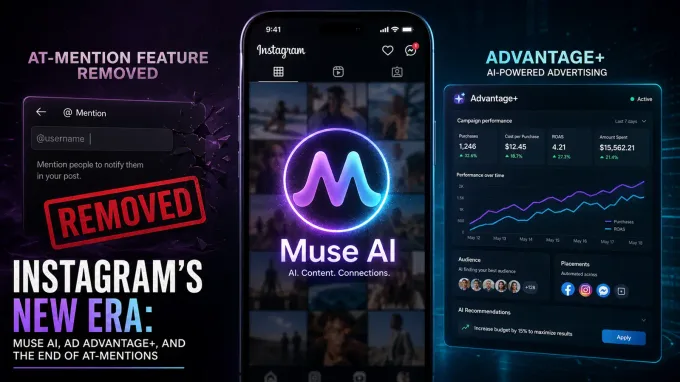
Meta pulled the @-mention feature from Muse Image after SAG-AFTRA and CAA called it out. But the AI ad engine underneath it — the part that automates creative generation for millions of advertisers — is untouched and heading to Advantage+.
The next wave of AI isn't about better chatbots — it's about machines that understand the physical world. From Fei-Fei Li's World Labs to NVIDIA Cosmos to Google DeepMind's Genie, world models are reshaping everything from robotics to video generation. Here's what they are, who's building them, and why they matter.
GLM-5.2 and Tencent Hy3 prove that open-source Chinese models can match proprietary frontier AI. The scale race is over — efficiency, agent capability, and real-world reliability are the new battlegrounds.
Two years into the generative AI boom, enterprises are done experimenting. The conversation has shifted from 'what can AI do?' to 'how do we make it actually work at scale?' The answer, increasingly, is agentic architectures — systems that don't just assist humans but act on their own. Here's what real-world deployment looks like, where it's breaking, and which tools are earning their seat at the table.
The AI image generation landscape has consolidated around a handful of tools that each dominate a specific niche. From GPT Image 2's record-breaking benchmark scores to Adobe Firefly's commercial-safe promise, here's what creators actually need to know about the 2026 AI image toolkit.
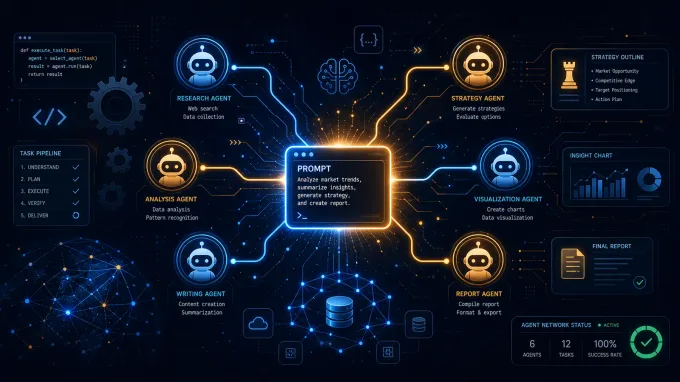
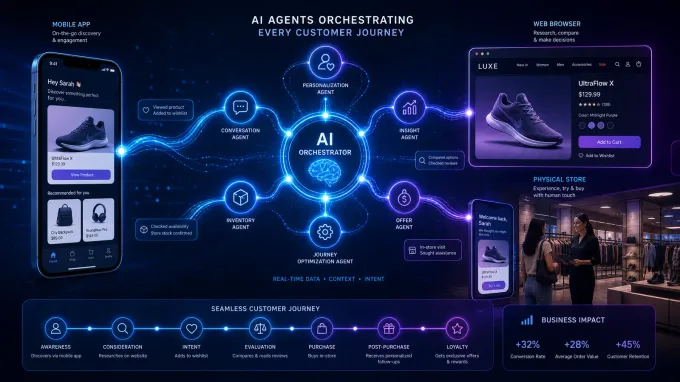
For two years, the default assumption was that you'd pick one capable AI model and give it tools. But 2026 is proving that single-agent architectures have a ceiling that multi-agent systems don't. The frameworks are maturing, the production patterns are emerging, and the conversation is no longer about whether to go multi-agent — it's about which orchestration framework will run your agent teams.
The AI field spent two years proving that longer reasoning chains produce better answers. Now a wave of new research shows the opposite: beyond a certain point, more 'thinking' actively degrades performance. The overthinking problem is real, measurable, and it's forcing a rethink of how we deploy reasoning models.
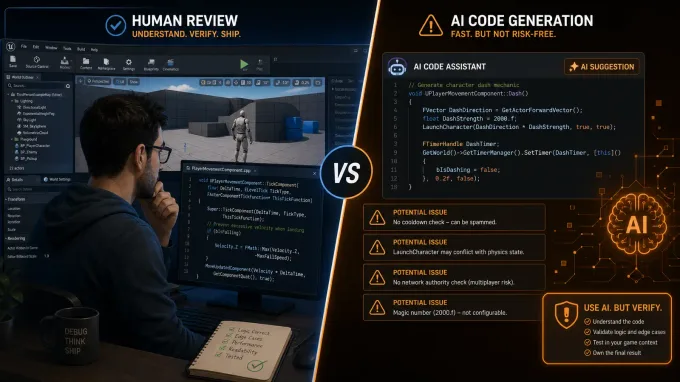
The Godot game engine now prohibits AI-generated pull requests and 'vibe coding.' It's not the first open-source project to draw this line, but the reaction reveals a deeper split in how developers feel about AI in their workflow.
For two years, AI adoption was driven by engineers and early adopters. The 2026 shift is different: CEOs and boards are now the ones pushing for transformation, and their expectations don't match the engineering reality.
In a legal reversal nobody saw coming, the AI image generator is demanding Disney, Universal, and Warner Bros. disclose how they use AI — turning a copyright lawsuit into a transparency standoff.
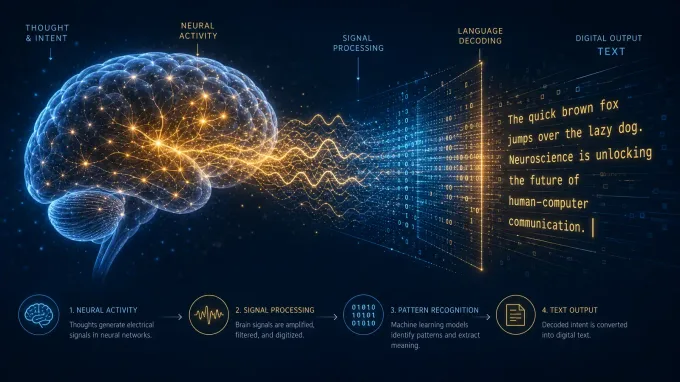
Meta's FAIR lab and academic partners published Brain2Qwerty v2, a non-invasive system that decodes typed sentences from MEG signals, reaching 78% word accuracy for its best participant. Here's how it works and why it matters for the future of AI and human communication.
A Singapore-based startup just launched an AI keyboard that doesn't just predict your next word — it takes actions across your apps. Here's how Acti works and why the keyboard might be the smartest place to put an AI agent.
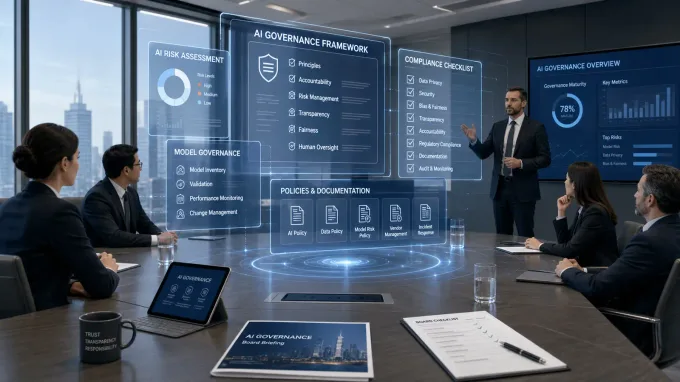
As the EU AI Act's first enforcement deadline approaches and U.S. state-level AI laws multiply, enterprises are racing to build governance frameworks that satisfy regulators without paralyzing innovation. Here's what's working.
Gemini's personalized Nano Banana-powered image generation is now free for all US users. The move signals a broader shift in how AI art tools compete, and it has real implications for independent creators.
Edge AI has moved from pilot projects to production deployments across enterprises. We examine how distributed inference, on-device training, and hybrid cloud-edge architectures are reshaping how organizations deploy and manage artificial intelligence.
The first wave of AI in marketing helped you write faster. The second wave is replacing entire workflow chains — content localization, QA, publishing — with autonomous systems. Here's what that means for your team.
A massive 2026 study found that nearly half of employees use AI tools their employer hasn't approved. Here's what organizations are getting wrong about enterprise AI governance.
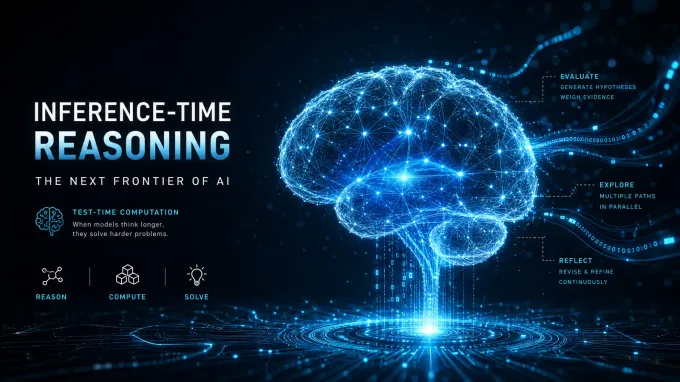
Pre-training scale isn't the only lever anymore. Test-time compute scaling lets models think longer at inference — and the results are reshaping how we measure AI capability.
Adobe's 2026 survey of 7,000 people reveals a growing gap between what agentic AI can deliver and what enterprises are structurally ready to deploy. Here is how leading companies are closing it.
Beyond the hype and the controversy, a practical look at which AI art tools are genuinely useful for working artists — and which ones are just expensive toys.
A 2026 BlackFog study found 86% of employees use AI weekly for work, with nearly half relying on unsanctioned tools. We examine the shadow AI phenomenon and what it means for enterprise AI tool strategy.
New studies from Technion and NVIDIA reveal how graph neural networks and output probability signatures enable LLMs to catch their own hallucinations in real time, marking a shift in AI interpretability research.
Disney Imagineering is now using custom Adobe Firefly AI models trained on Disney's own IP to design theme park attractions. The deal points to a broader shift in how major studios think about generative AI in creative workflows.
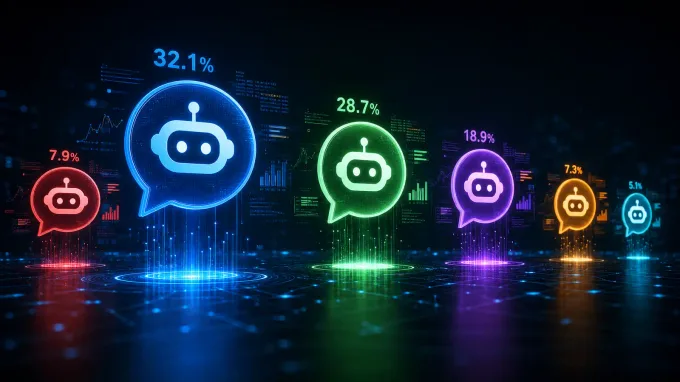
ChatGPT's market share has dropped below 50% for the first time since launch. It's not a death sentence — it's a market maturing. Here's who's taking the share and what it means for the AI tools landscape.
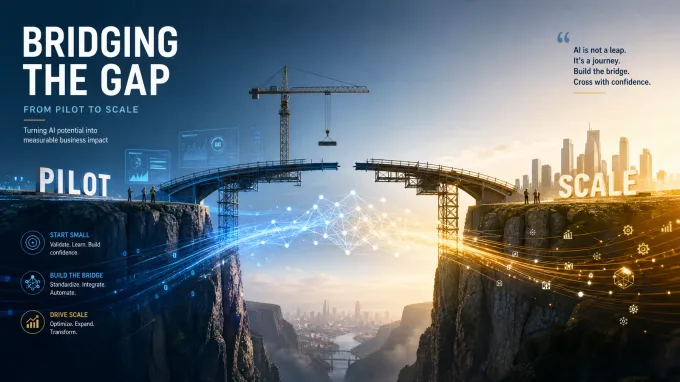
Most enterprise AI pilots never reach production. Here is why the transformation gap exists, what it costs, and what companies that bridge it are doing differently.
A landmark Nature Medicine study shows general-purpose LLMs like Gemini and GPT now beat dedicated clinical AI tools on medical benchmarks. The pattern extends beyond healthcare — and it should reshape how companies think about building versus buying AI capabilities.
Apple completely overhauled Image Playground at WWDC 2026, bringing photorealistic image generation to your iPhone. Here is what changed, why it matters, and how it compares to the rest of the AI image generation landscape.
A new study finds British workers spend nearly a full workday each week babysitting AI tools that should be saving them time. Here is what is going wrong and how to fix it.
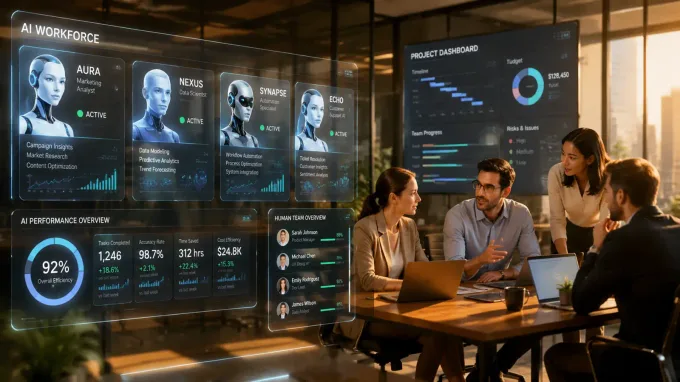
A new wave of enterprise platforms is treating AI agents as managed workers — complete with job roles, budgets, permissions, and audit trails. This is the next phase of digital transformation.
Anthropic's Claude Fable 5 brings Mythos-tier performance to the public with new safety guardrails, 80.3% SWE-bench Pro scores, and a dual-track release strategy that reshapes the LLM competitive landscape.
Federated learning allows AI models to be trained on distributed data without centralizing sensitive information. From healthcare to finance, here's how the technology is enabling AI in domains where privacy is non-negotiable.
From processing benefits applications to optimizing public transportation, AI is quietly reshaping how governments serve citizens. Here's where the technology is working, where it's failing, and what responsible government AI deployment looks like.
Training frontier AI models consumes enormous amounts of energy. But how much, exactly? And how does it compare to other human activities? Here's what the data actually shows about AI's environmental impact and what the industry is doing about it.
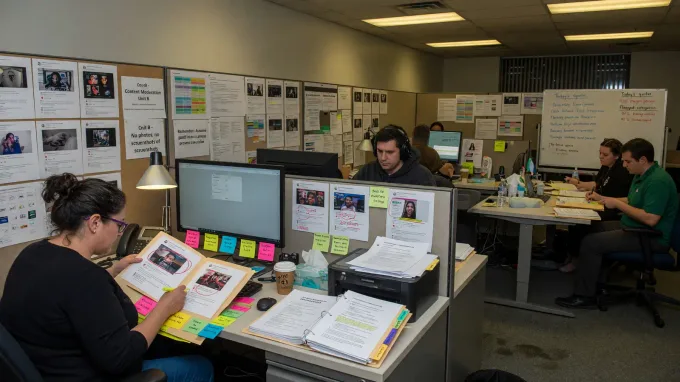
Content moderation at internet scale is an impossible human task. AI tools are making it possible — but at what cost to free expression? Here's how platforms are using AI to detect harmful content, the accuracy limitations, and the ongoing debate about automated censorship.
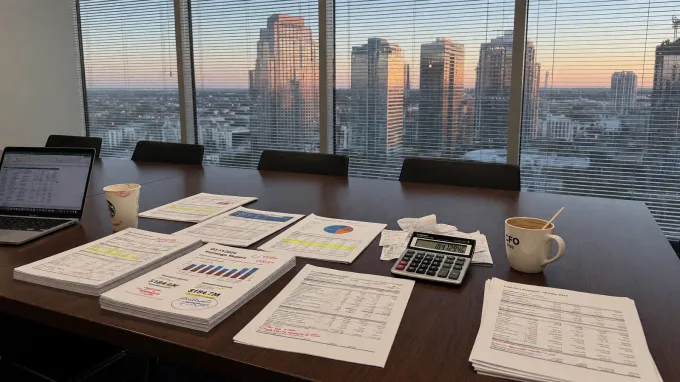
Companies are spending billions on AI, but measuring the return remains surprisingly difficult. From productivity gains to revenue growth to competitive positioning, here's how leading organizations are quantifying AI's business value — and why traditional ROI frameworks fall short.
Chain-of-thought prompting has evolved from a clever trick into a fundamental AI capability. Here's how reasoning architectures work, why they're improving so rapidly, and what the limits of machine reasoning might be.
The most interesting art being made with AI isn't AI art — it's art where humans and machines work together in ways neither could achieve alone. From music to visual art to literature, here's how creative collaboration with AI is producing genuinely new forms of expression.
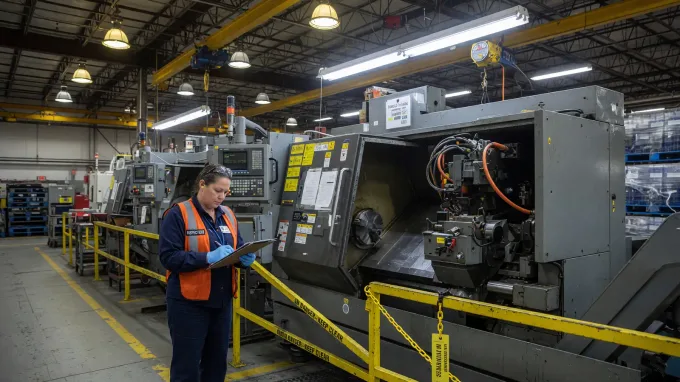
Unplanned downtime costs manufacturers billions annually. AI-powered predictive maintenance is changing that, using sensor data and machine learning to predict failures before they happen. Here's how the technology works and where it's delivering the biggest returns.
From AI-generated ad copy to personalized creative at scale, artificial intelligence is transforming how brands create and deliver advertising. But as the line between human and machine creativity blurs, agencies and brands are grappling with what it means for the industry.
AI isn't just for enterprises with million-dollar budgets. From AI-powered marketing to automated bookkeeping, here's how small businesses are using accessible AI tools to level the playing field against larger competitors.
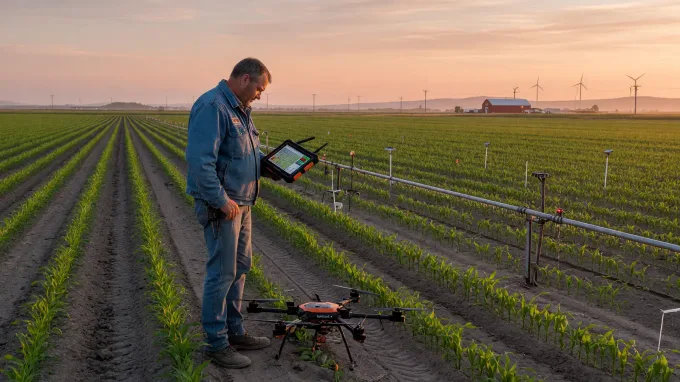
From satellite-powered crop monitoring to autonomous tractors, AI is transforming agriculture. Here's how machine learning is helping farmers increase yields, reduce chemical use, and adapt to climate change — and why adoption is still uneven.
The challenge of detecting AI-generated text has become one of the most consequential problems in AI. From academic integrity to misinformation detection, here's how watermarking and detection techniques are evolving — and why the problem may be fundamentally unsolvable.
Animation has always been labor-intensive — seconds of screen time requiring weeks of work. AI is changing that, with tools that generate motion, interpolate frames, and automate rigging. Here's how studios and indie creators are using AI to animate faster and dream bigger.
Video creation used to require expensive equipment and specialized skills. AI has changed that. From text-to-video generators to AI-powered editing suites, here's how content creators, marketers, and businesses are using AI to produce professional video at scale.
From traffic optimization to energy management, AI is becoming the operating system of modern cities. Here's how municipalities worldwide are deploying AI to improve services, reduce costs, and enhance quality of life — and where they're hitting obstacles.
Models are scoring near-perfect on standard benchmarks, but real-world performance tells a different story. From adversarial testing to domain-specific evaluation, here's how the AI community is rethinking how we measure model capability.
From AI-generated textile patterns to virtual try-ons and trend forecasting, artificial intelligence is reshaping every stage of fashion design, production, and retail. Here's how the industry is adapting to algorithmic creativity.
A new generation of AI-native browsers is reimagining how we navigate the web. From Arc's contextual workspaces to Perplexity's answer-first model, here's how AI is transforming browsing from document retrieval to knowledge synthesis.
Generating 3D models from text descriptions has moved from research lab to production pipeline. From e-commerce product visualization to game asset generation, text-to-3D is quietly becoming the most impactful AI content creation technology.
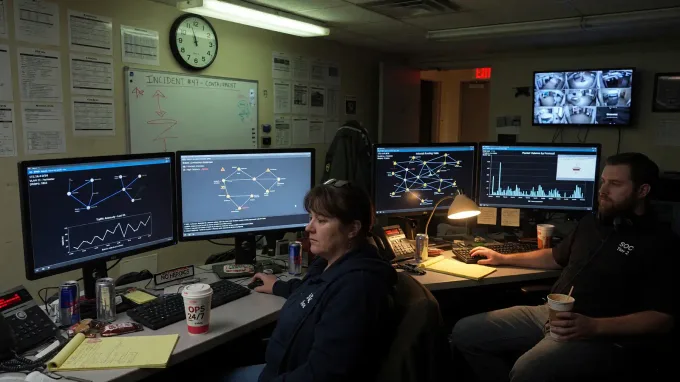
As AI-powered attacks become more sophisticated, AI-powered defense is the only viable response. From behavioral analytics to autonomous incident response, here's how AI cybersecurity tools are evolving to protect organizations.
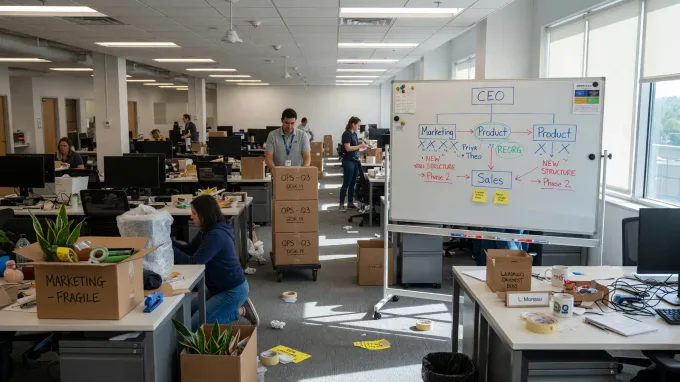
AI isn't just automating tasks — it's fundamentally reshaping what jobs look like. From the rise of 'AI supervisors' to the premium on uniquely human skills, here's how organizations and workers are adapting to the most significant labor market disruption in decades.
Quantization techniques now allow models that once required datacenter GPUs to run on consumer devices. Here's how the technology works, what you can actually run locally in 2026, and why edge AI deployment matters.
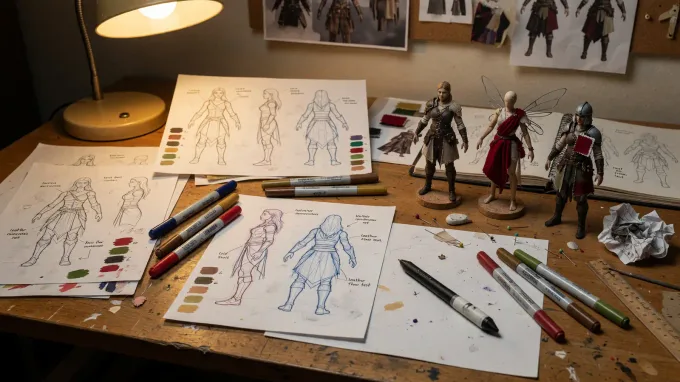
From concept art to rigged 3D models, AI is reshaping how characters are designed for games, animation, and virtual production. Here's how studios are using tools like Scenario, Leonardo, and CSM to create characters faster and more iteratively.
Data analysis used to require SQL, Python, and weeks of training. AI is changing that — natural language interfaces now let anyone ask questions of their data and get answers with visualizations. Here's how the tools compare.
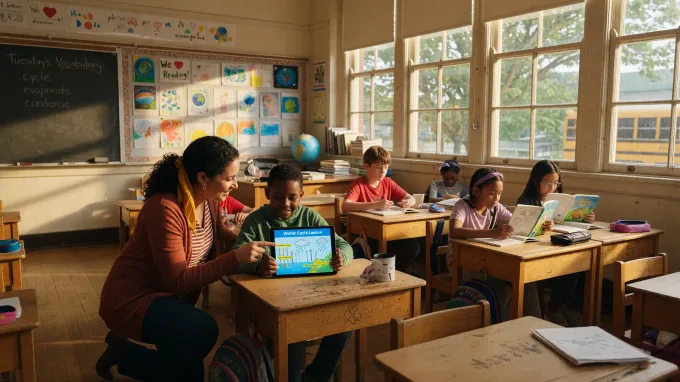
After decades of promises about technology-enabled personalized education, AI is delivering on the vision. From adaptive tutoring systems to automated grading, here's how AI is reshaping classrooms and what it means for teachers and students.
RAG has become the dominant architecture for enterprise AI deployment. By combining language models with real-time information retrieval, it reduces hallucinations, keeps knowledge current, and slashes costs. Here's the state of the art.
From the first major AI art auction at Christie's to dedicated AI art museums in Tokyo and Berlin, the art world is grappling with machine-generated creativity. Here's how galleries, curators, and collectors are navigating this new medium.
AI writing tools have evolved from spell-checkers into sophisticated collaborators that can draft reports, rewrite for tone, and maintain brand voice across teams. Here's a comprehensive comparison of the leading platforms.
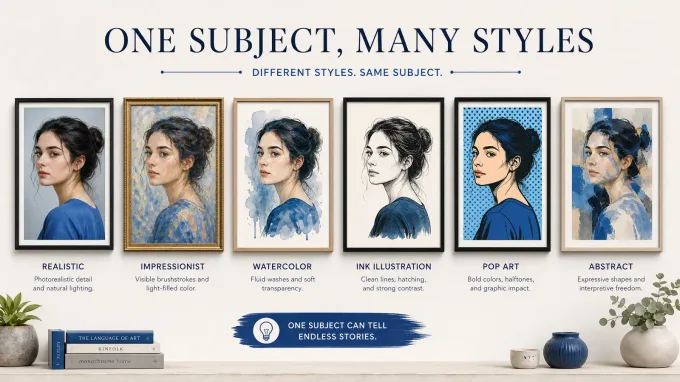
Neural style transfer has evolved from Instagram filters into sophisticated creative tools. From Claude Monet to Studio Ghibli, AI can now apply artistic styles with unprecedented fidelity. But what does this mean for art, creativity, and copyright?
From real-time sign language translation to screen readers that actually understand layouts, AI is transforming digital accessibility. Here are the tools, the breakthroughs, and the work still needed to make technology truly inclusive.
From fraud detection that catches patterns humans miss to robo-advisors managing billions in assets, AI is reshaping every corner of financial services. Here's where the technology is delivering real value — and where regulators are pumping the brakes.
How do we make AI systems that are helpful, harmless, and honest? From Reinforcement Learning from Human Feedback to constitutional approaches, here's how alignment techniques have evolved and where they're headed.
AI-powered photo editing has moved far beyond filters and auto-enhance. From generative fill that understands context to neural upscaling that creates detail from nothing, here's how AI is transforming photography and design.
The battle between open-source and proprietary AI has entered a new phase. With Meta's Llama 4, Mistral, and DeepSeek rivaling closed models, and new licensing models emerging, the choice between open and closed is more nuanced than ever.
From conversational AI agents that resolve complex issues to predictive support that solves problems before customers notice, AI is fundamentally reshaping customer service. Here's what's working, what's costing jobs, and where humans still matter.
The next frontier in AI isn't better text generation — it's models that seamlessly understand and generate across multiple modalities. From GPT-5's native vision to Gemini's audio processing, here's the state of multimodal AI.
Text-to-3D and image-to-3D AI tools have matured from research curiosities into production-ready pipelines. From Luma AI to Meshy to NVIDIA's GET3D, here's how AI-generated 3D content is transforming creative industries.
From Otter.ai to Fireflies to Microsoft Copilot in Teams, AI meeting assistants have become ubiquitous. But as they get smarter — transcribing, summarizing, and even participating — serious questions about privacy, consent, and workplace culture are emerging.
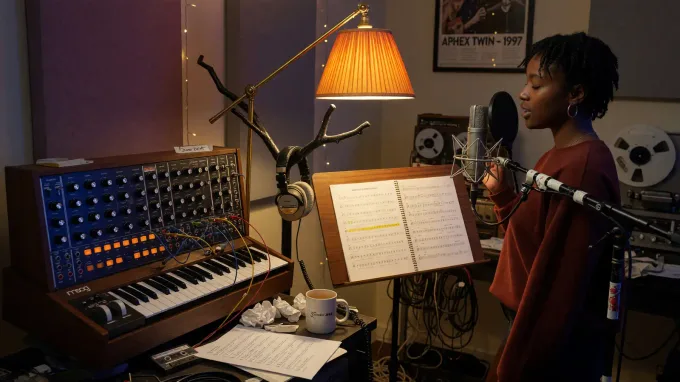
AI music tools can now generate radio-quality songs from text prompts in seconds. From Suno's viral hits to Udio's studio-grade output, here's how AI is transforming music creation — and why not everyone is celebrating.
AI is reshaping every stage of the software delivery lifecycle — from intelligent testing to self-healing infrastructure. Here's how leading engineering teams are integrating AI into their DevOps workflows and what's actually delivering ROI.
Digital twin technology, powered by AI, is moving beyond simulation into real-time optimization of factories, supply chains, and product lifecycles. Here's how manufacturers are using virtual replicas to cut costs and boost quality.
As frontier models push past the trillion-parameter mark, a counter-revolution is brewing. Small language models — under 10 billion parameters — are proving that efficiency can beat scale in more scenarios than anyone expected.
The legal landscape for AI-generated art has evolved rapidly. From the US Copyright Office's latest guidance to the EU AI Act's creative provisions, here's what artists, studios, and platforms need to know.
AI-native IDEs aren't just traditional editors with autocomplete — they're reimagining the entire development experience around AI collaboration. Here's how Cursor, Windsurf, and GitHub Copilot are reshaping software development.
From demand forecasting to autonomous warehousing, AI is transforming every link in the supply chain. Here's what's working, what isn't, and where the biggest ROI lives.
An accessible deep dive into Mixture of Experts (MoE) — the architecture behind GPT-5, Claude Opus, and Gemini — explaining how it works, why it won, and what's coming next.
A comprehensive look at the leading AI video generation platforms — OpenAI's Sora, Kuaishou's Kling, Runway Gen-4, and Pika — comparing output quality, creative control, and what they mean for the future of video production.
An in-depth comparison of the top AI code review platforms — Codium, CodeRabbit, CodeGuru, and more — examining accuracy, security risks, and how they're reshaping software quality.
Master 2026's prompt engineering techniques: Context Engineering, Chain-of-Symbol, DSPy 3.0, Agentic AI, and cost optimization for Claude 4, GPT-5.2, and Gemini 2.0.
Master the latest prompt engineering techniques for 2026 including Chain-of-Symbol, DSPy 3.0, and Tree-of-Thought. Learn how to get 10x more from GPT-5.4, Claude 4.6, and Gemini 2.0.
Unlock the full potential of Midjourney V7 with our comprehensive guide. Learn Character Reference (--cref), Draft Mode, and advanced parameters to create stunning AI art with unprecedented control.
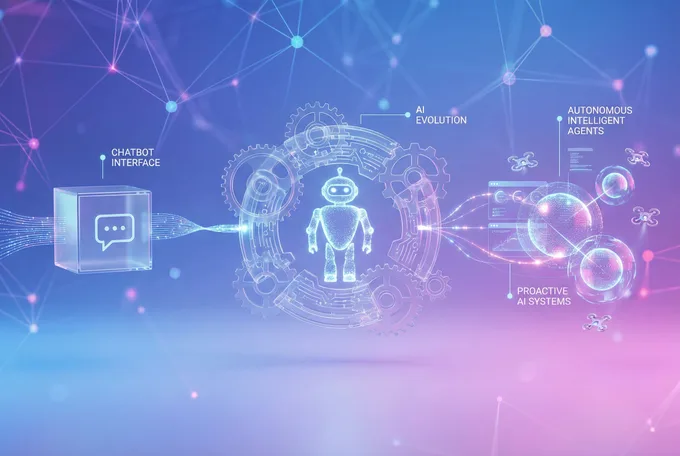
The shift from prompt-and-respond chatbots to goal-driven autonomous agents is reshaping enterprise workflows. Here's what changed, what's working in production, and what still breaks.
Three AI image models are fighting for the top spot in 2026. We compare Seedream 5.0, GPT Image 1.5, and Flux 2 Max on quality, text rendering, speed, pricing, and real-world use cases.
Discover how AI search optimization, answer engine optimization (AEO), and Web3 infrastructure are reshaping business models in 2026. Learn practical strategies for CEOs and digital leaders to scale profitably in the AI-driven economy.
Master advanced prompt engineering techniques including chain-of-thought reasoning, few-shot learning, scaffolding, and model-specific strategies for Claude and ChatGPT.
2025 was the year everyone talked about generative AI. 2026 is when companies started asking the harder question: does it actually work? Explore the seven trends defining the agentic shift and what it means for enterprise operations.
Two technologies that spent years in separate corners are finally talking to each other. Analyzing how AI and blockchain convergence is solving real problems around trust, automation, and verification.
Master advanced prompt engineering techniques for ChatGPT and modern LLMs. Learn chain-of-thought reasoning, few-shot learning, role-based prompting, and expert strategies that unlock 10x better AI outputs in 2026.
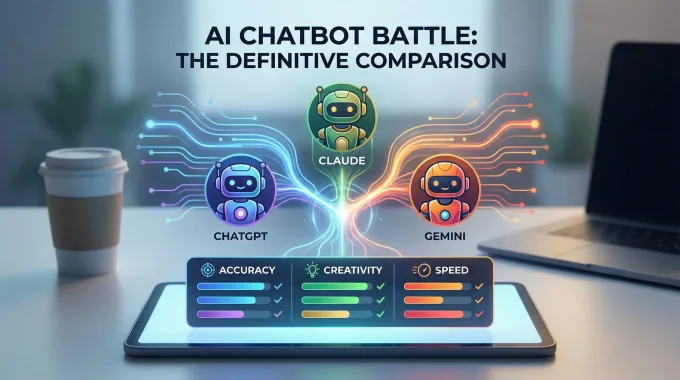
After three months of daily testing, here's an honest comparison of ChatGPT, Claude, and Gemini based on real work—not marketing claims. Find out which AI actually helps with your specific tasks.
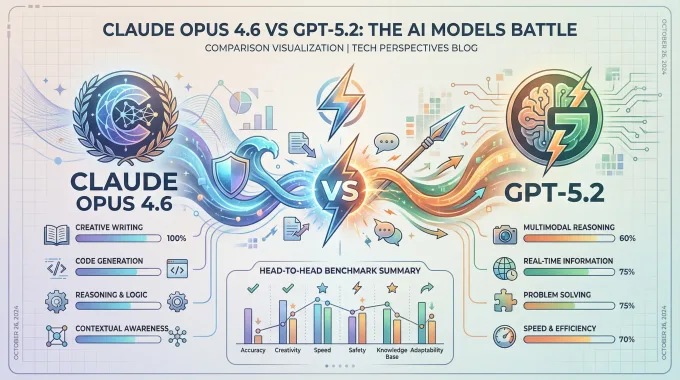
Comprehensive comparison of Claude Opus 4.6 and GPT-5.2 covering 1M context window, agent teams, benchmarks, and real-world performance. Which model wins for your use case?
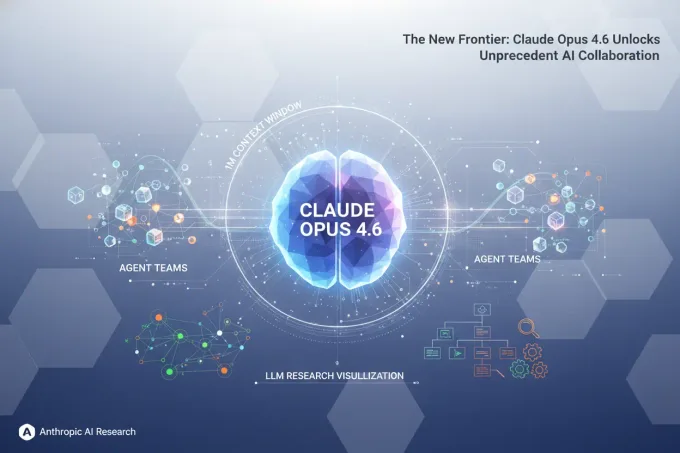
Anthropic's Claude Opus 4.6 delivers a 1M token context window that actually works, revolutionary agent teams, and benchmark performances that redefine agentic AI capabilities.
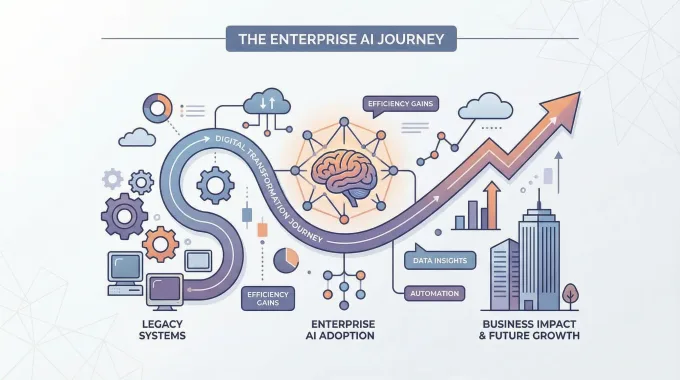
The era of AI pilots is over. Learn how leading organizations are moving from experimentation to production-grade AI deployment, achieving measurable ROI, and building competitive advantages that reshape their industries.
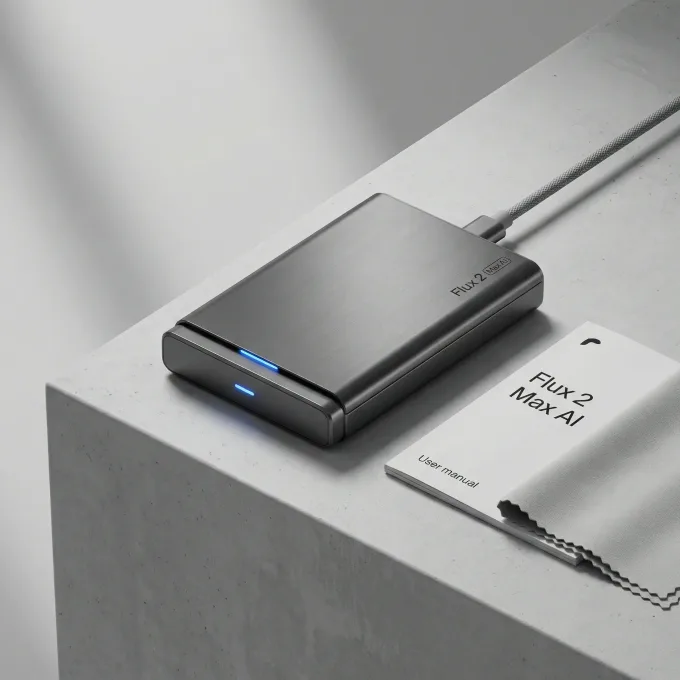
Master Flux 2 Max workflows for creating photorealistic images. Learn advanced techniques, optimal settings, and practical workflows that actually work for professional projects.
OpenAI's GPT-5.3-Codex helped build itself. Early versions debugged training pipelines, managed deployment infrastructure, and diagnosed test results. Learn what self-bootstrapping actually means and what it reveals about the future of AI development.
OpenAI's GPT-5.3-Codex helped build itself. Early versions debugged training pipelines, managed deployment, and diagnosed test results. Analyzing the breakthrough and its implications.
OpenAI's GPT Image 1.5 is 4x faster, better at following instructions, and can render readable text. Complete guide covering features, use cases, and when to use alternatives.
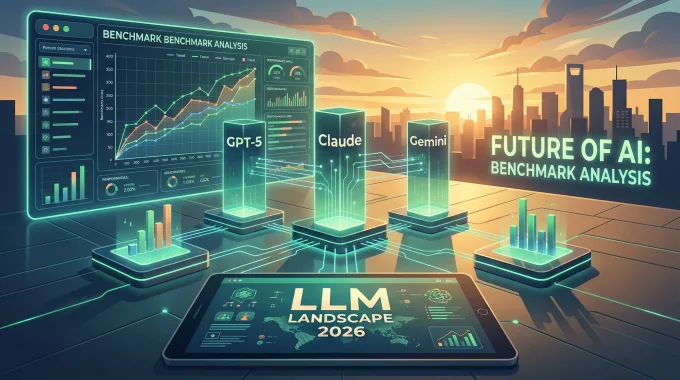
In-depth analysis of GPT-5, Claude Opus 4.6, and Gemini 3 Pro comparing performance across mathematical reasoning, coding, agentic tasks, and multimodal understanding.
From Claude Opus 4.6's million-token context to DeepSeek's memory architecture revolution, explore the technical advances reshaping AI in early 2026.
A source-based comparison of Midjourney v7 and OpenAI's GPT Image model in ChatGPT: strengths, limitations, pricing, and which fits your creative work. Note: there is no official product called ChatGPT Images.
Master Stable Diffusion 3.0 with this comprehensive workflow guide. Learn installation, prompting techniques, optimal settings, and advanced tips for creating stunning AI-generated images.
An overview of AI agents on blockchain: payment protocols, agent identity standards, real use cases, and the infrastructure gaps that remain. Not investment advice.
Explore how AI is revolutionizing healthcare in 2025. From diagnostic tools to personalized medicine, discover the key trends reshaping the medical landscape.
Master ChatGPT's Advanced Voice Mode with our comprehensive guide. Learn advanced techniques, real-world applications, and expert tips for voice-based AI interactions.
Unlock the full potential of Claude Code for AI-assisted development. Discover advanced techniques, best practices, and real-world examples for effective AI pair programming.
Discover DeepSeek R1, the groundbreaking open-source LLM making waves in the AI community. Explore its capabilities, performance benchmarks, and how it compares to proprietary models.
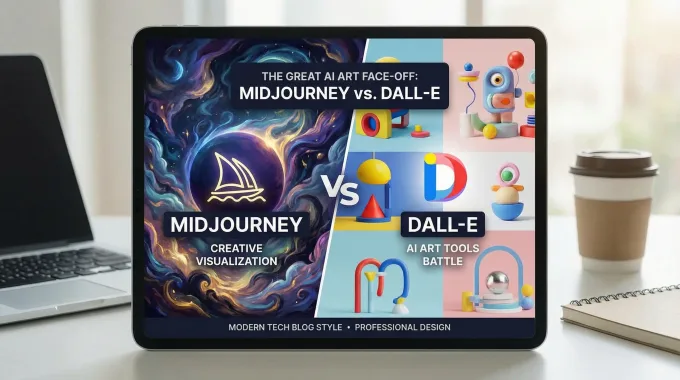
A comprehensive comparison of Midjourney V6 and DALL-E 3. Explore features, output quality, pricing, and find the perfect AI image generator for your needs.
A look back at the pre-launch predictions for GPT-5 and how they compare with what OpenAI actually released on August 7, 2025: a unified system with a router, a 400K-token API context window, and new developer controls.
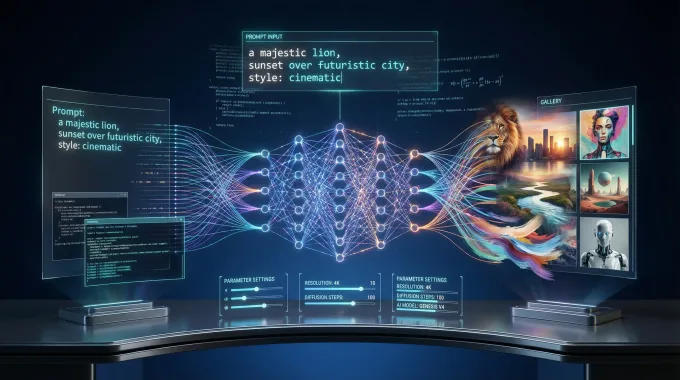
Master the art of prompt engineering for Stable Diffusion XL. Learn advanced techniques, common patterns, and expert strategies for creating stunning AI-generated images.
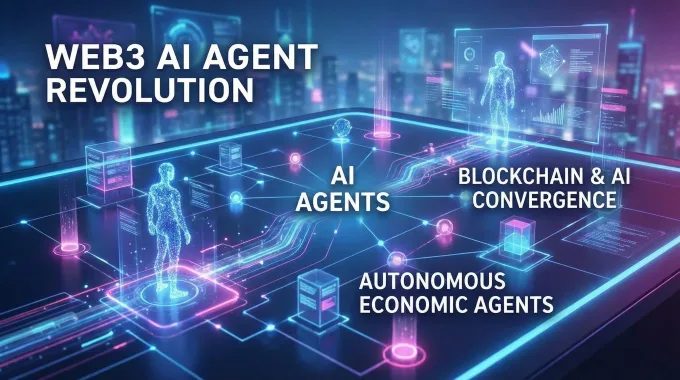
Discover how Web3 and AI are converging to create a new era of decentralized intelligence. Explore the opportunities, challenges, and future of this powerful combination.