GPT-6.2 Astra or Sol? A monthly API budget for the same workload
Price 1,000 short review requests on GPT-6.2 Astra and Sol with the same output allowance, cache writes and cache hits. Then compare cost per accepted review.

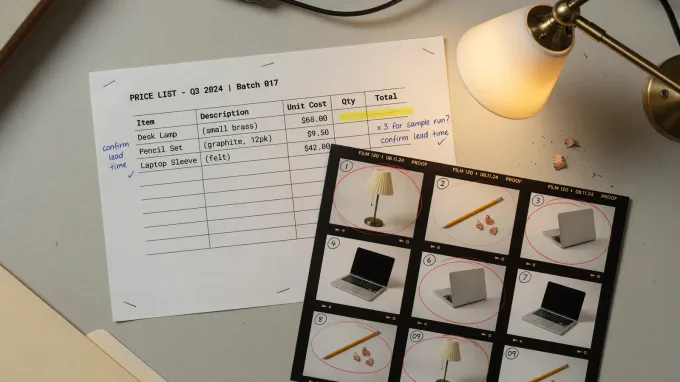
What the Images 2.6 release documents about editing, GIFs and SVG output, and how to compare Flare and Sunburst on a repeatable design brief.
Krea 3 edits images at native 2K in under 8 seconds for $0.06 each, per Krea. How its speed and price compare, where it fits in creative workflows, and how it differs from Black Forest Labs' 8GB FLUX.3 Image Klein.
OpenAI's Decisions API answers questions with a fixed set of possible answers about ten times faster than a normal model call. How predicate, choice and score questions work, what it costs, where it fits in agent systems, and how it compares with TypeSafe's Jev.
OpenAI gave Codex reusable cloud environments at DevDay 2026, so tasks keep running when your laptop is closed and teams can share one approved setup. How environments work, plan limits, secret handling, Codex Security Cloud and the new CLI.
Demis Hassabis proposed training an AI only on pre-1911 knowledge to see if it could derive general relativity. What experiments with vintage models and world-model probes have found, why AI math results such as GPT-6 Astra's are a different kind of claim, and how to evaluate AI discovery.
OpenAI's Images 2.5 cuts generation latency by up to 50% and keeps edits more consistent across turns. What changed from Images 2, how to use it for character-consistent series, how it compares with a Nano Banana pipeline, and what the API models cost.
OpenAI's GPT-6 Astra is its first broadly deployed model rated Critical for cybersecurity, and it uses recurrent depth that makes reasoning harder to monitor. A guide to the safety concerns, prompt-injection results, the ARC-AGI-3 score gap, and what Ai2's BenchMIRT says about reading benchmarks.
How large language models are trained to be helpful, honest and safe: RLHF with reward models, Direct Preference Optimization and its variants, Constitutional AI and AI feedback, reinforcement learning on verifiable rewards with GRPO, how the methods compare, known failure modes and practical advice for fine-tuning.
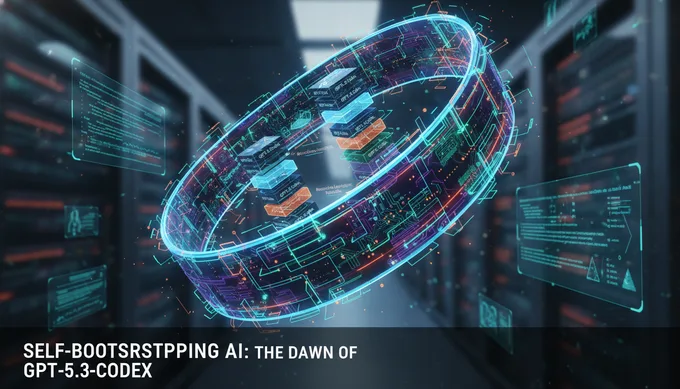
OpenAI's GPT-5.3-Codex helped build itself. Early versions debugged training pipelines, managed deployment infrastructure, and diagnosed test results. Learn what self-bootstrapping actually means and what it reveals about the future of AI development.
How to verify a product edit and cost a 1024-pixel output on the older GPT Image 1.5 model, with separate guidance for ChatGPT users and API buyers.
A look back at the pre-launch predictions for GPT-5 and how they compare with what OpenAI actually released on August 7, 2025: a unified system with a router, a 400K-token API context window, and new developer controls.