SEC.03 / LLM Research
The Open-Weight AI Debate in 2026: Who Really Benefits When Models Are Free?
Open-weight models promise democratized AI, but compute concentration and geopolitics complicate the picture. Here is where the debate stands.
Open-weight models promise democratized AI, but compute concentration and geopolitics complicate the picture. Here is where the debate stands.

From August 2, 2026, Article 50 of the EU AI Act requires providers to mark AI-generated content in a machine-readable way and deployers to disclose deepfakes. What the rules actually require, the penalties, how SynthID and C2PA help, and the practical gaps creators should know about.
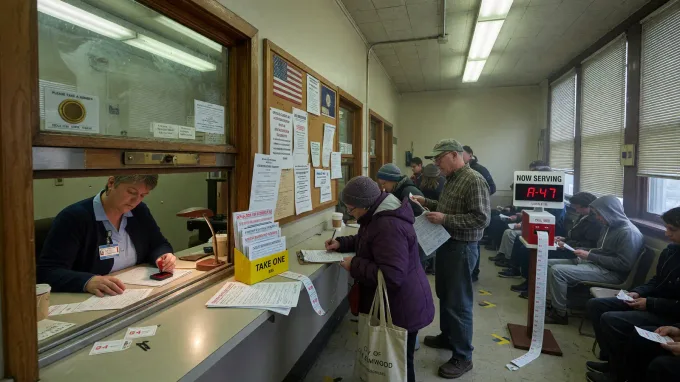
How governments use AI in 2026: 2,133 U.S. federal use cases, what OMB M-25-21, NIST, the EU AI Act, and Canada's directive require, lessons from the Dutch benefits scandal, and a deployment checklist.
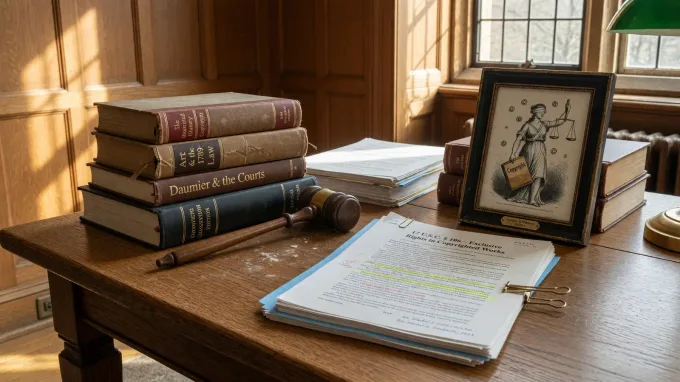
Where the law stands on AI-generated art: the U.S. Copyright Office's human-authorship rule, Thaler and Zarya of the Dawn, training-data cases including Andersen, Bartz v. Anthropic and the UK Getty v. Stability AI judgment, EU AI Act copyright duties, the UK and China, and practical steps for artists and clients.